
Shade perennials help lower-light garden areas feel full and alive without demanding constant replacement. These ideas focus on dependable plant types and planting looks that bring structure, texture, and color to shaded beds.
Why these ideas work
- Foliage texture matters a lot in shade planting.
- Layering leaf shapes often works better than relying only on blooms.
- Shade gardens feel stronger when the planting looks intentional instead of random.
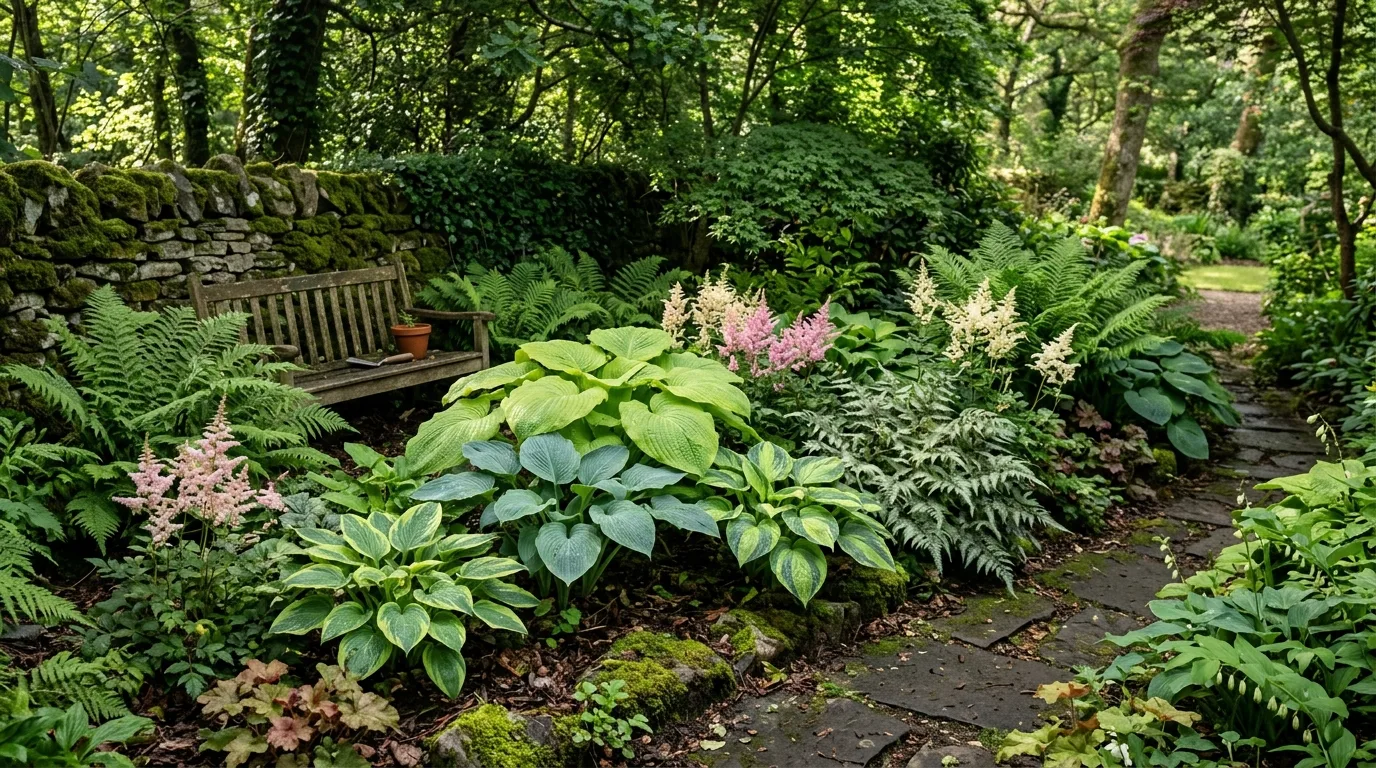
Lush Foliage Perennial for Deep Green Texture
A strong foliage plant can carry a shade bed beautifully even when flowers are limited.
A reliable base layer.
Best for: deep shade
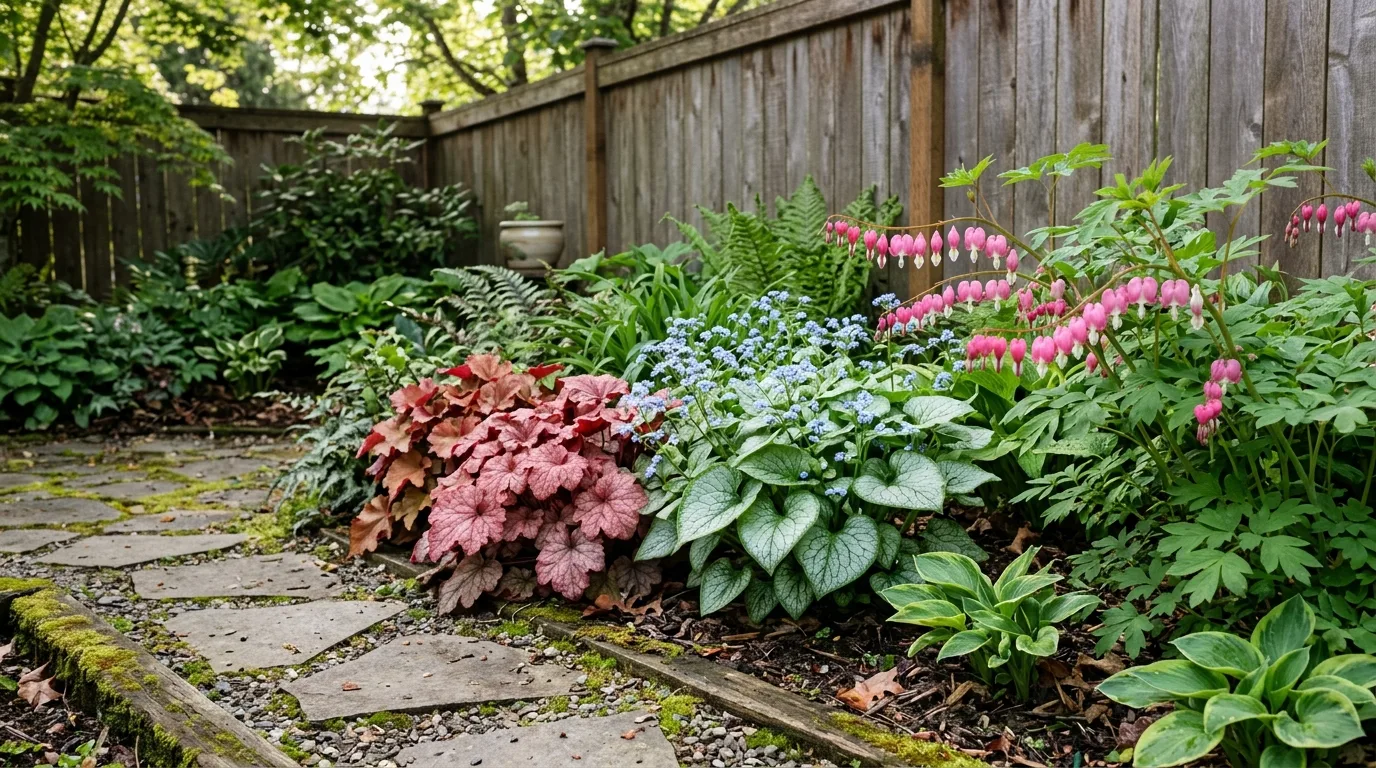
Soft Flowering Shade Perennial
A flowering perennial adds just enough lift to a shaded bed while keeping the look calm and natural.
Best used with foliage balance.
Best for: gentle color
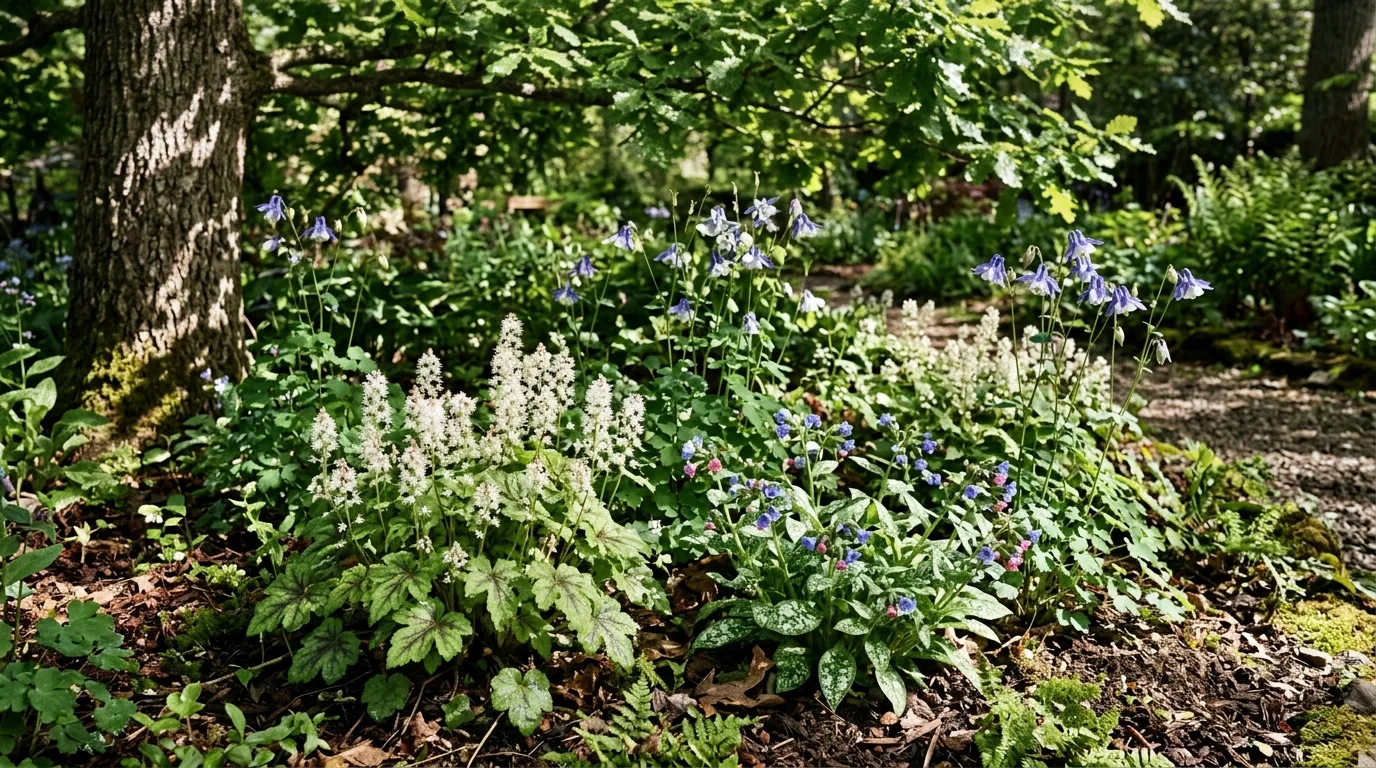
Broad-Leaf Shade Plant for Bold Contrast
Broader leaves help a shade garden feel richer and more layered without adding clutter.
Very useful in mixed beds.
Best for: texture contrast
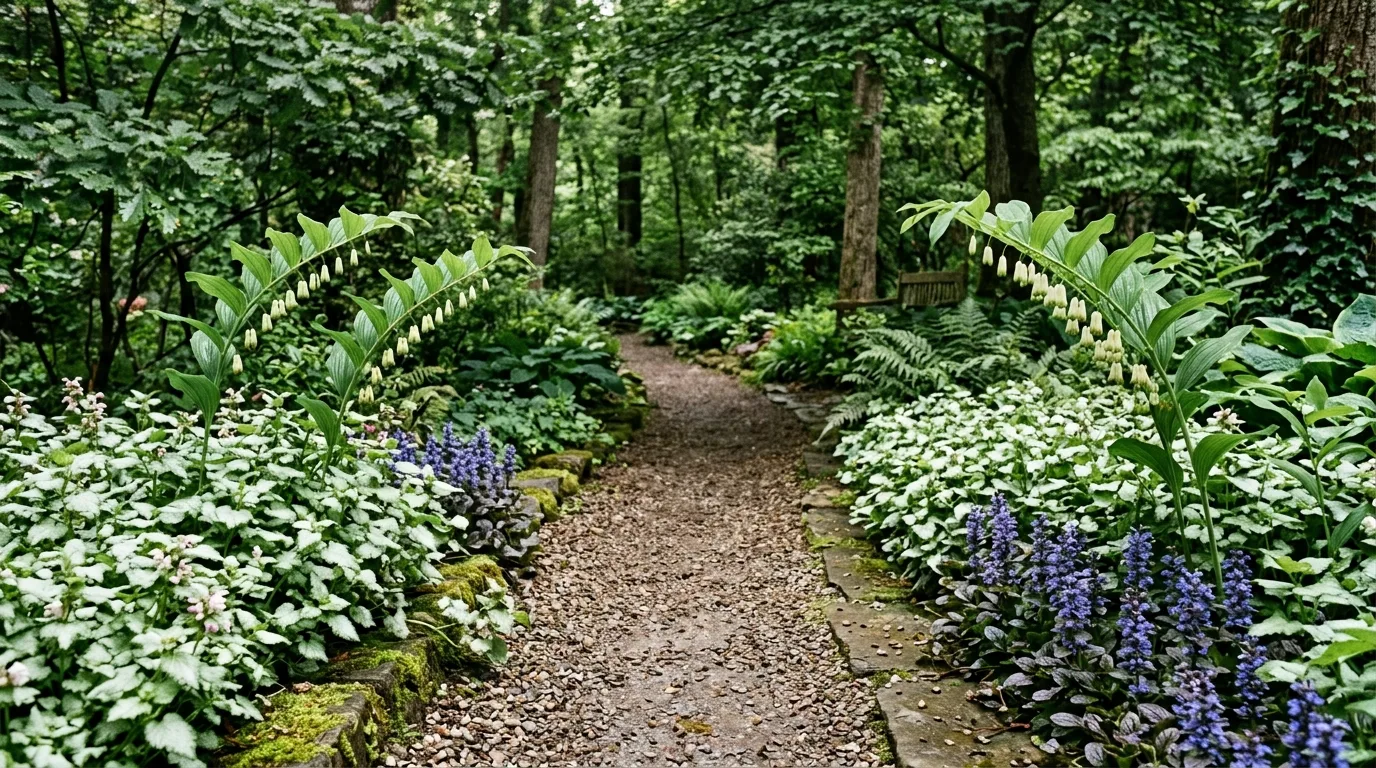
Repeating Shade Border Planting
Repeating one reliable perennial through a bed gives the whole space more rhythm and polish.
Consistency helps a lot.
Best for: neat borders
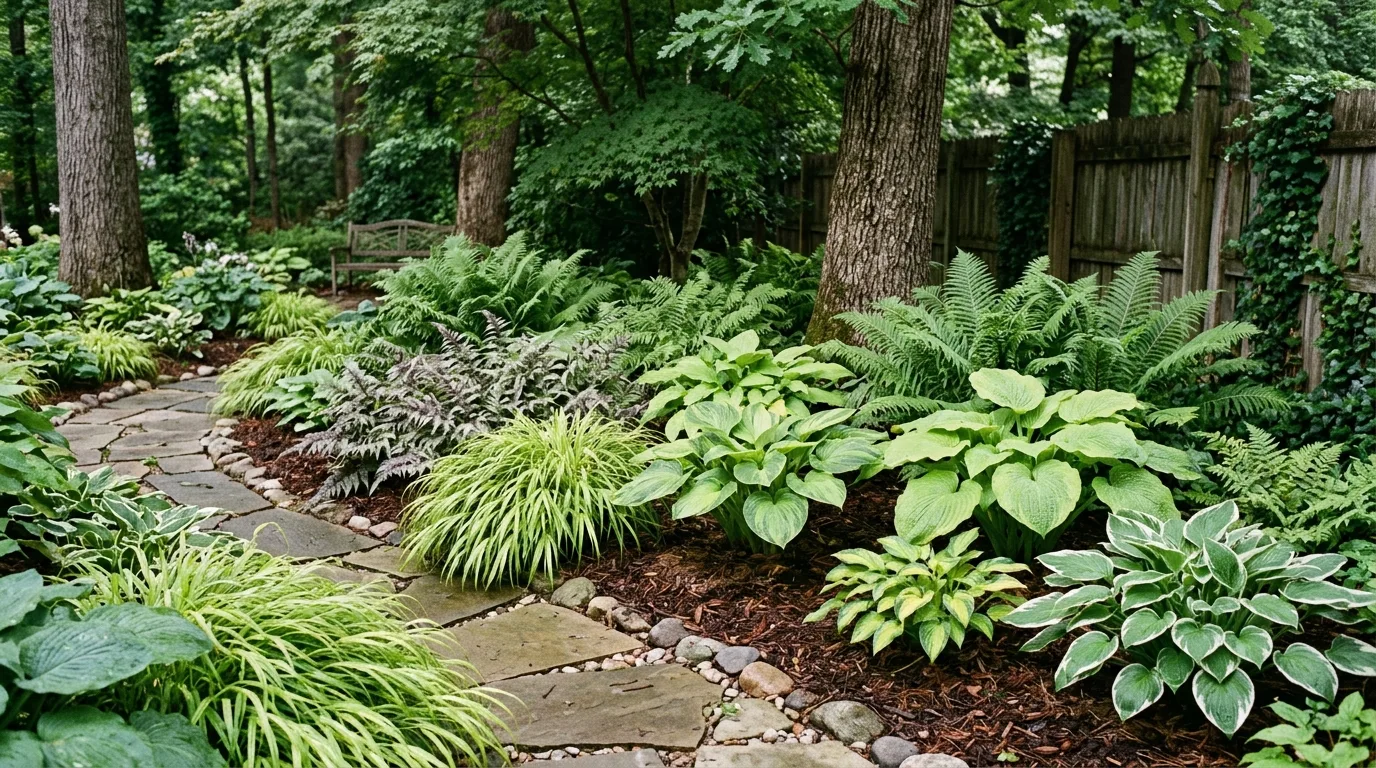
Shade Perennial Mix With Height Variety
Mixing shorter and taller shade plants creates depth and keeps a darker bed from feeling flat.
Good layering move.
Best for: mixed beds
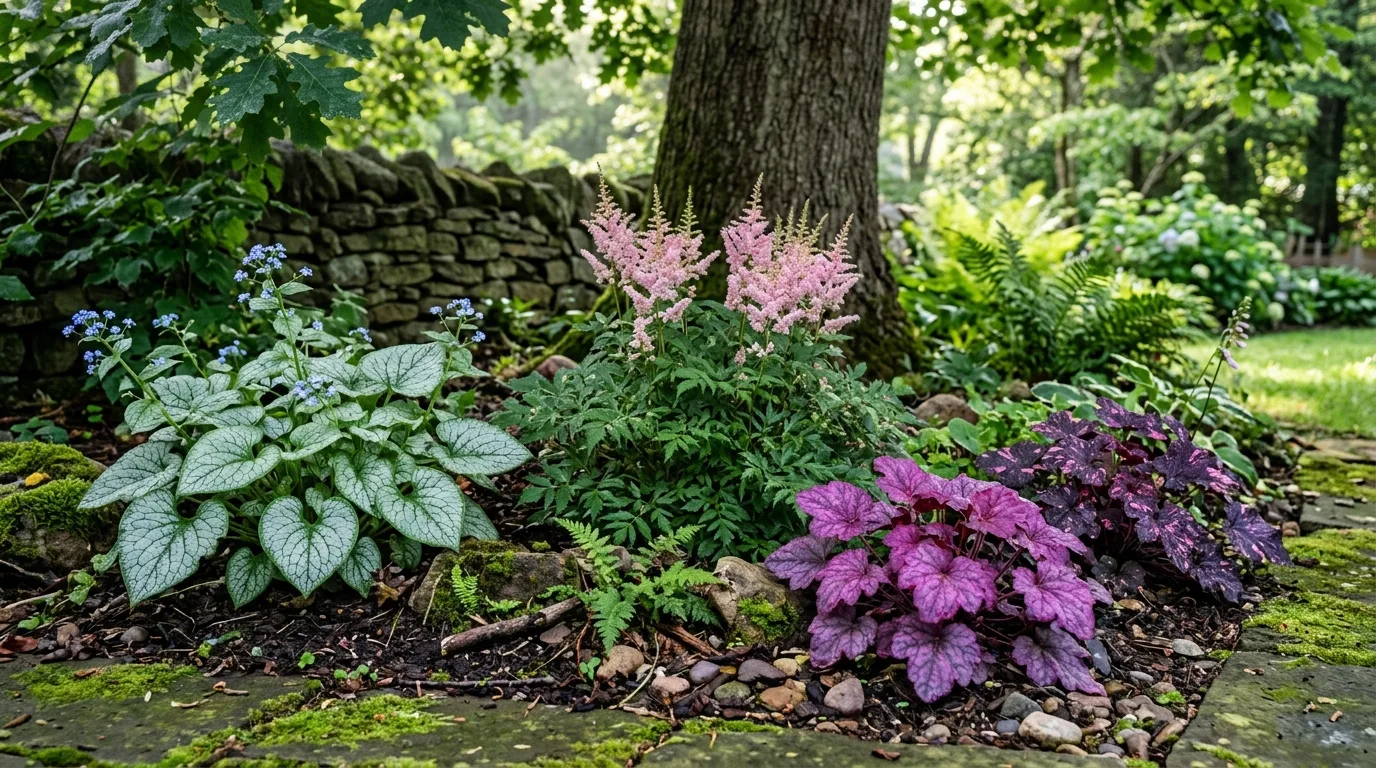
Woodland-Style Perennial Planting
A woodland-inspired arrangement makes shade planting feel softer and more natural around trees and borders.
Very calming look.
Best for: natural gardens
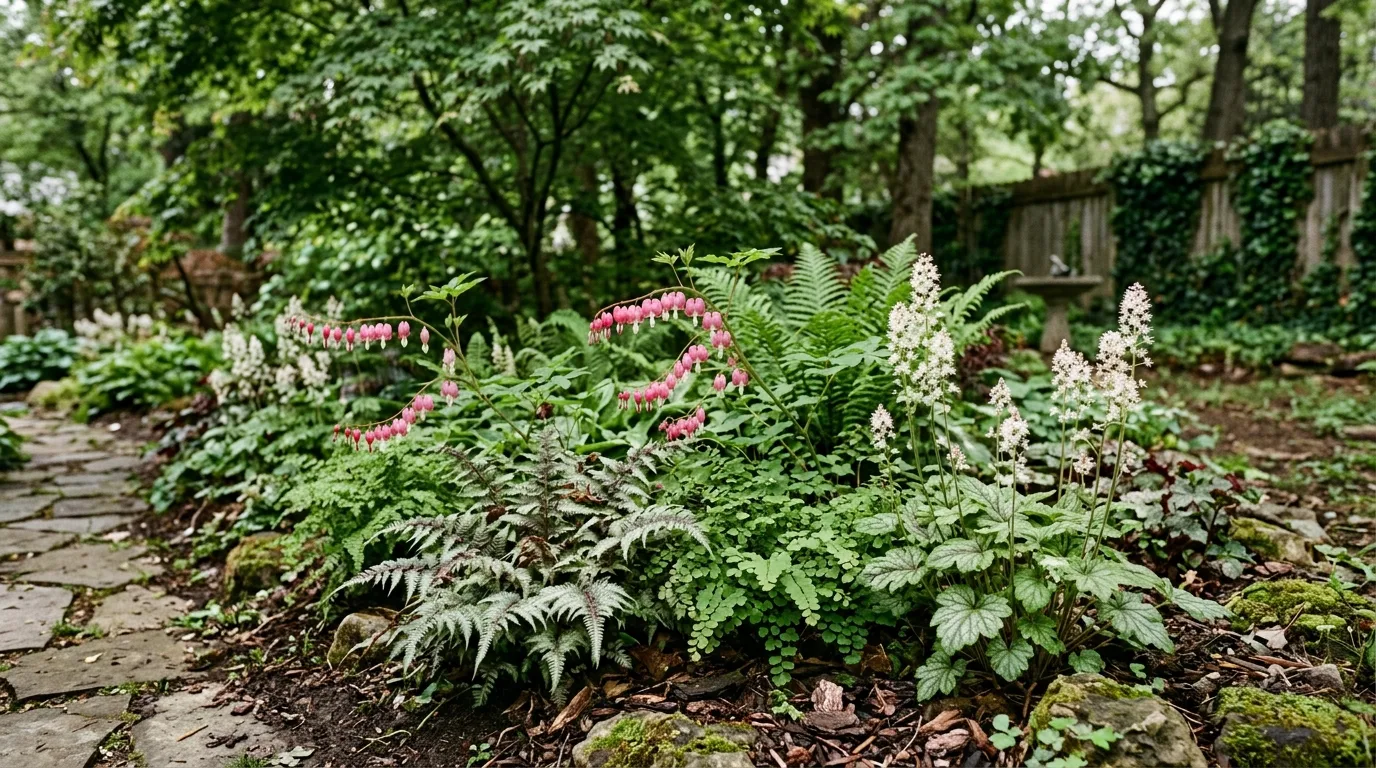
Complete Shade Perennial Bed
The best shade perennial beds combine leaf texture, a little height variation, and enough repetition to feel intentional.
The fullest example here.
Best for: full shade-bed upgrades
What makes shade perennials easier to work with
Shade perennials are easier to work with when they are chosen for reliable foliage, steady structure, and a look that suits lower light. A simple mix of dependable plants often creates the strongest result.