
Good landscape design helps a yard feel more balanced, easier to use, and more visually complete no matter the size. These ideas focus on design principles and practical features that work across many different kinds of yards.
Why these ideas work
- Paths, focal points, layered planting, seating zones, edging, lighting, and repeated materials all help create better landscape design.
- Most yards feel stronger when the circulation is clear.
- Open space matters just as much as planted space.
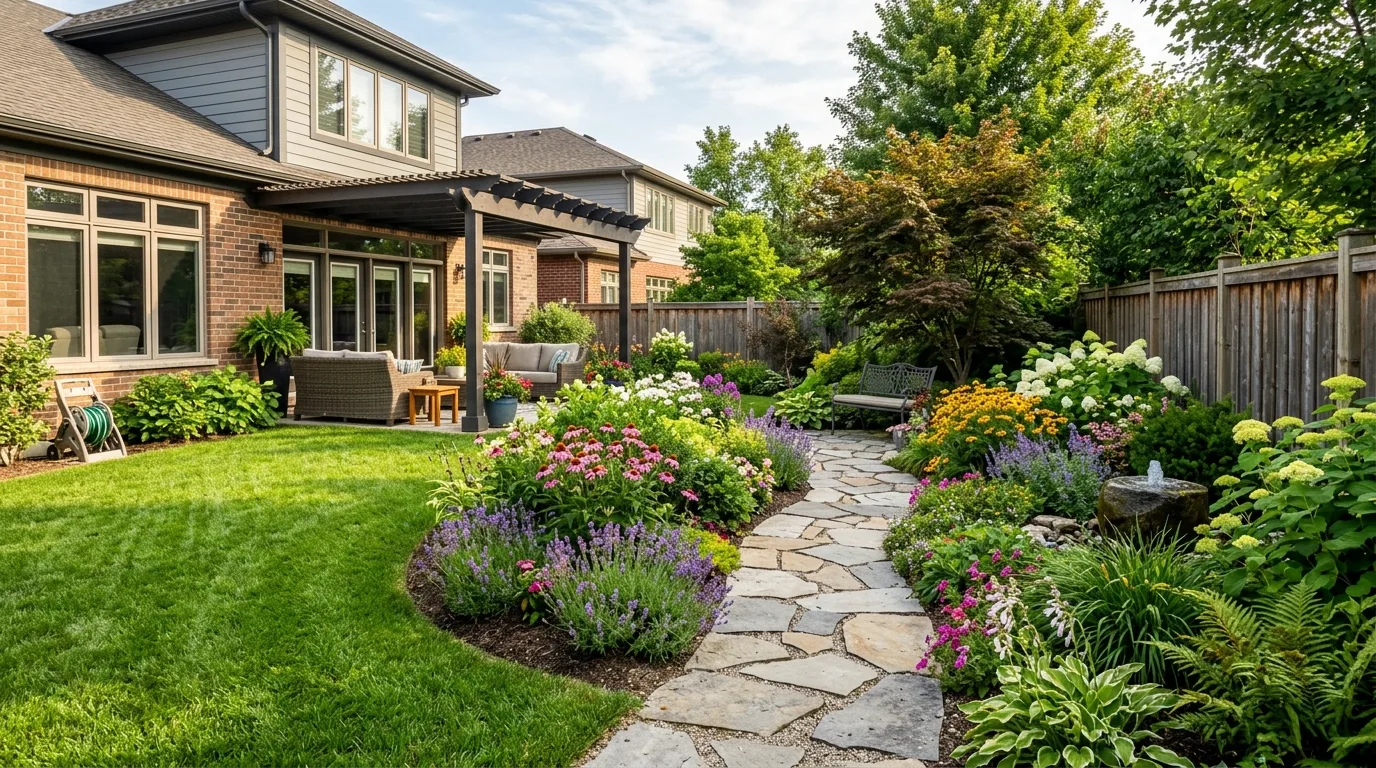
Create a Clear Main Path
A clear path makes the yard easier to move through and gives the design a stronger backbone.
A foundational design idea.
Best for: all yard types
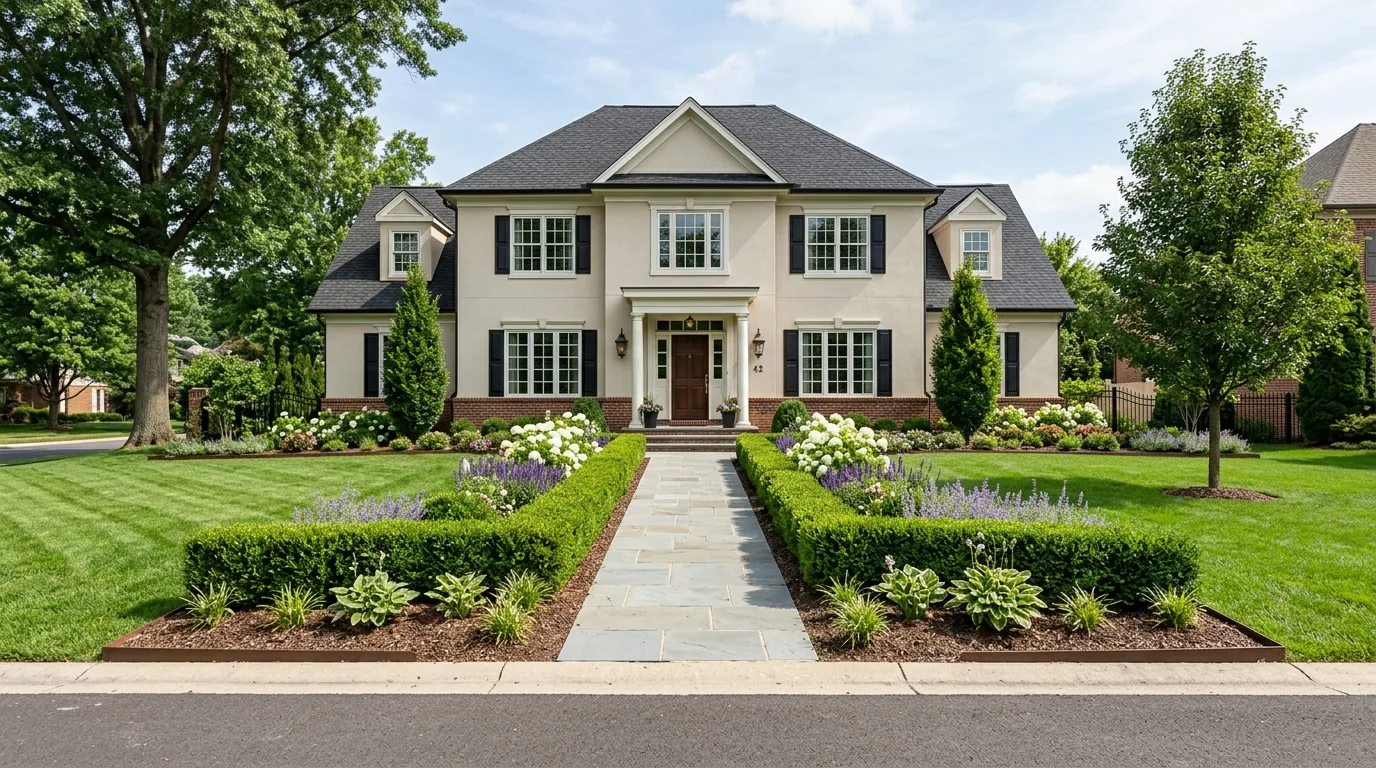
Use One Strong Focal Point
A single focal point helps the yard feel organized and keeps the design from becoming visually scattered.
Simple but powerful.
Best for: small and medium yards
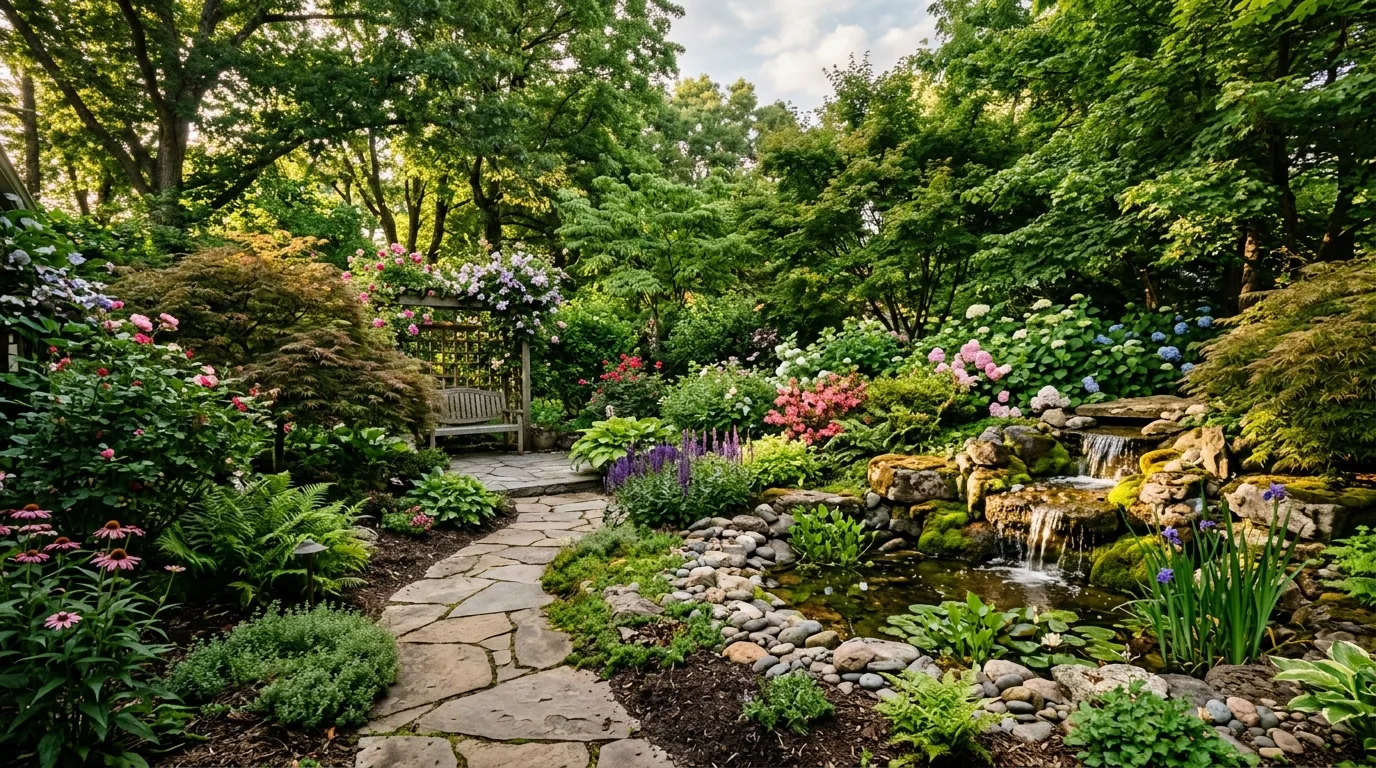
Layer Plant Heights for Depth
Layering low, medium, and taller planting gives the landscape more depth and visual richness.
A key design habit.
Best for: garden-focused spaces
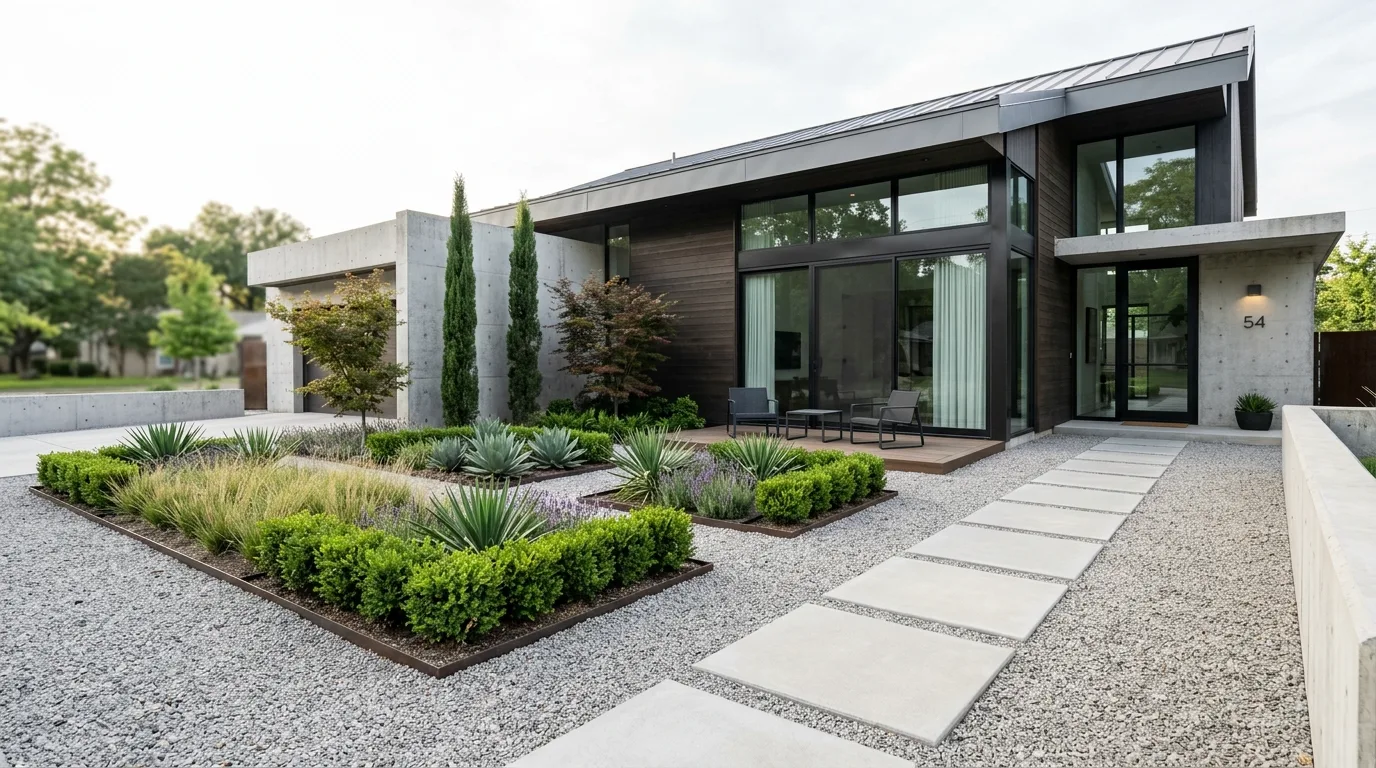
Define a Seating or Use Zone
When the yard has a dedicated use zone, the overall landscape feels more intentional and lived in.
A strong functional move.
Best for: backyard planning
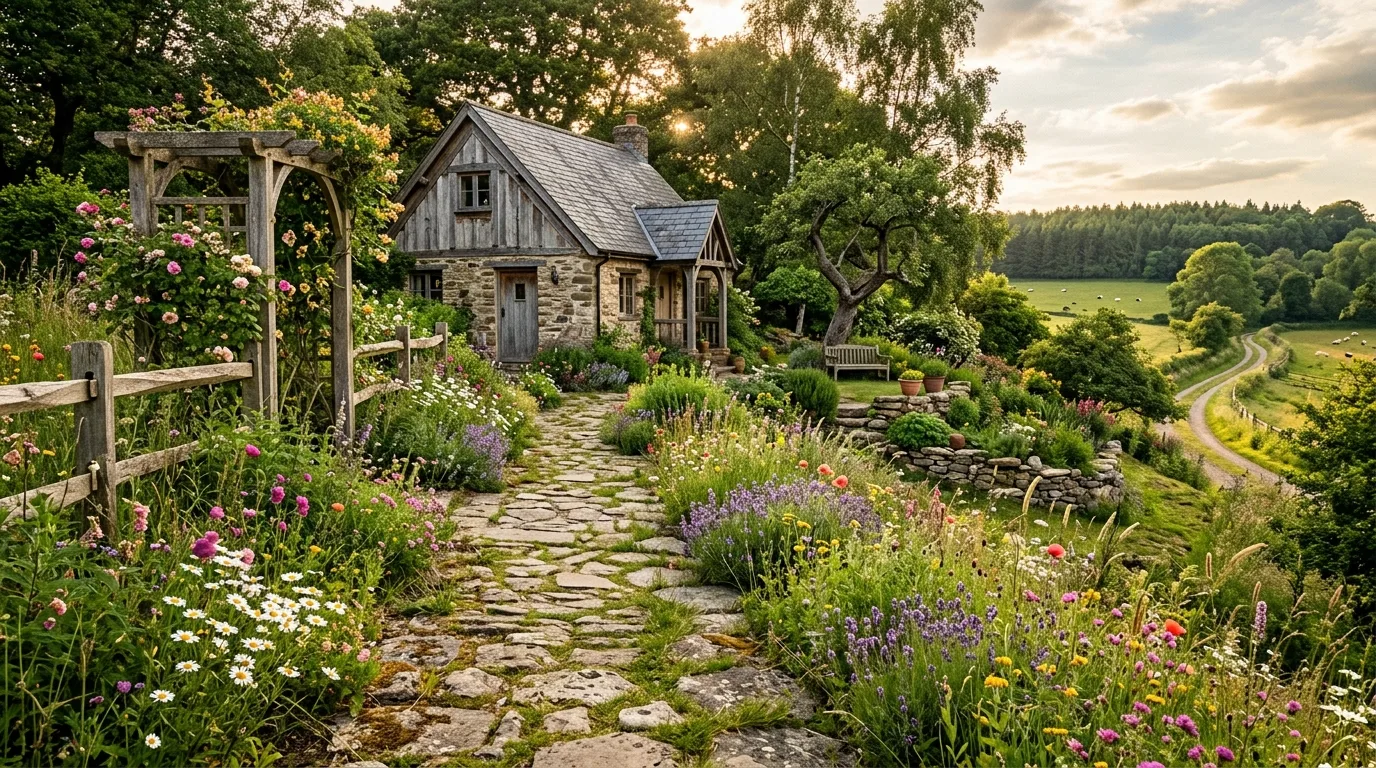
Repeat Materials Across the Yard
Repeating materials like stone, wood, or gravel gives the whole design more unity.
Consistency helps a lot.
Best for: cohesive design
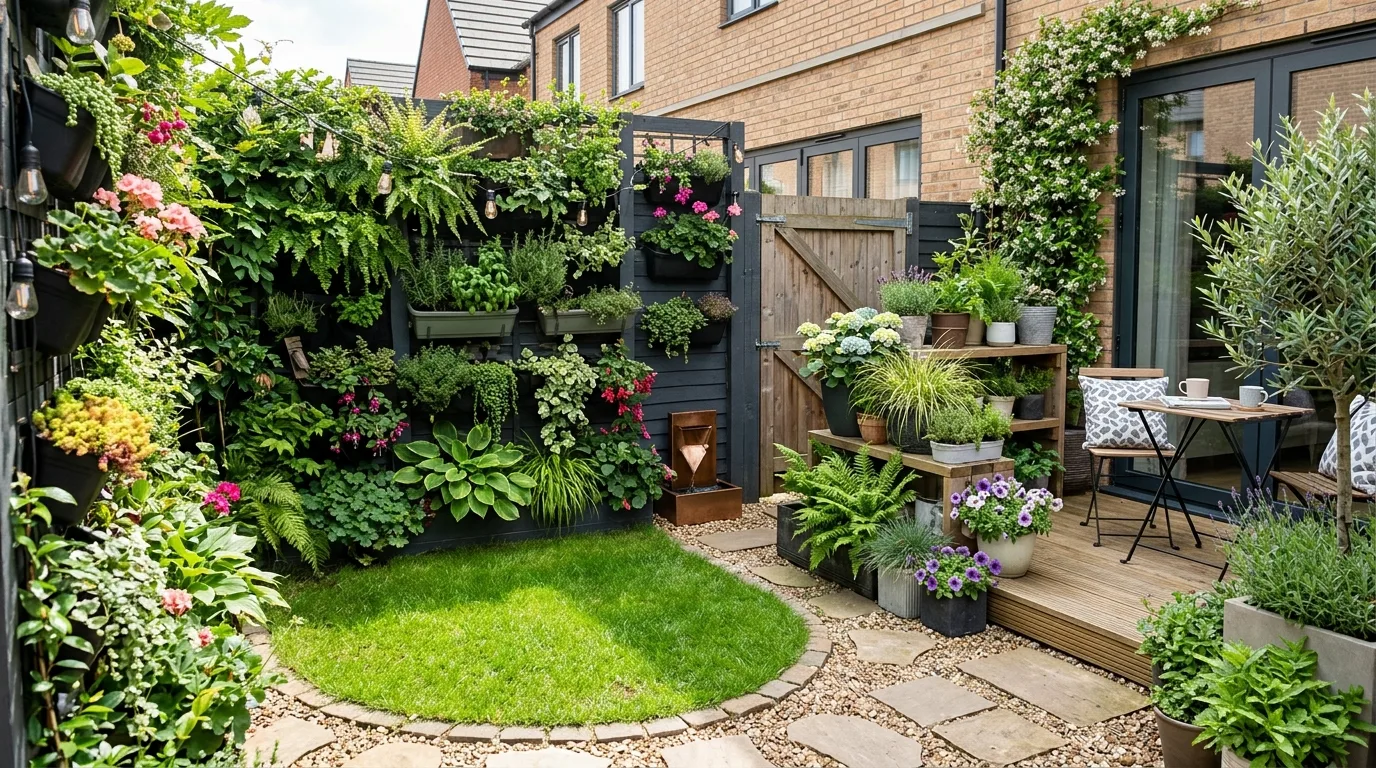
Add Lighting for Structure and Mood
Lighting helps a well-designed yard stay legible and attractive once daylight fades.
Useful beyond decoration.
Best for: evening landscapes
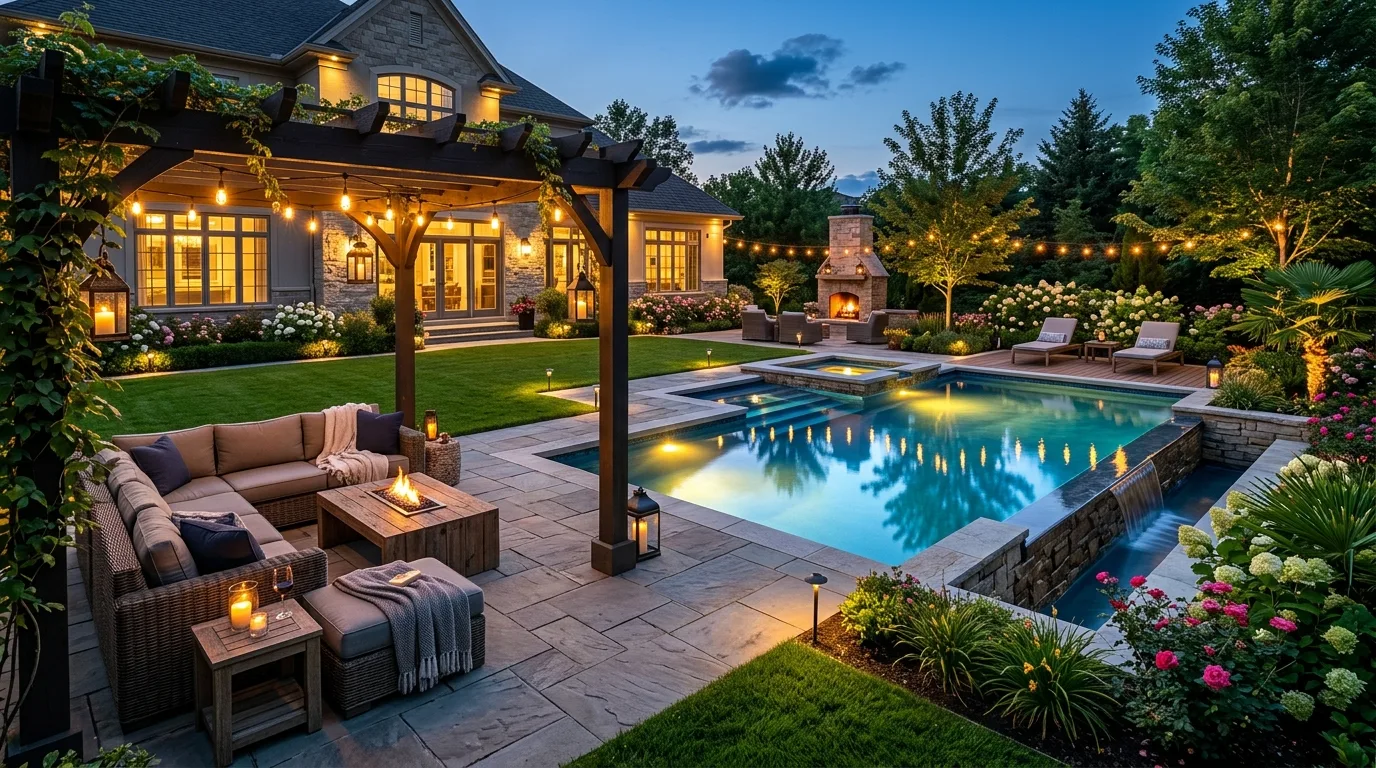
Balance Open Space With Planting
The best yard designs do not fill everything in; they leave enough open space to let the layout breathe.
An important finishing principle.
Best for: all-around yard design
What makes landscape design work in any yard
Landscape design works in any yard when the layout is clear, the materials feel connected, and the space has a purpose. Good design is usually less about size and more about how the whole yard is organized.