
Japanese garden design often feels peaceful because it uses fewer elements with more intention. These ideas focus on stone, planting, water, and pathways that help an outdoor space feel calm and reflective.
Why these ideas work
- Stone, gravel, water, and carefully shaped planting are common features.
- Simple circulation paths help the garden feel meditative.
- Even small spaces can borrow Japanese garden principles well.
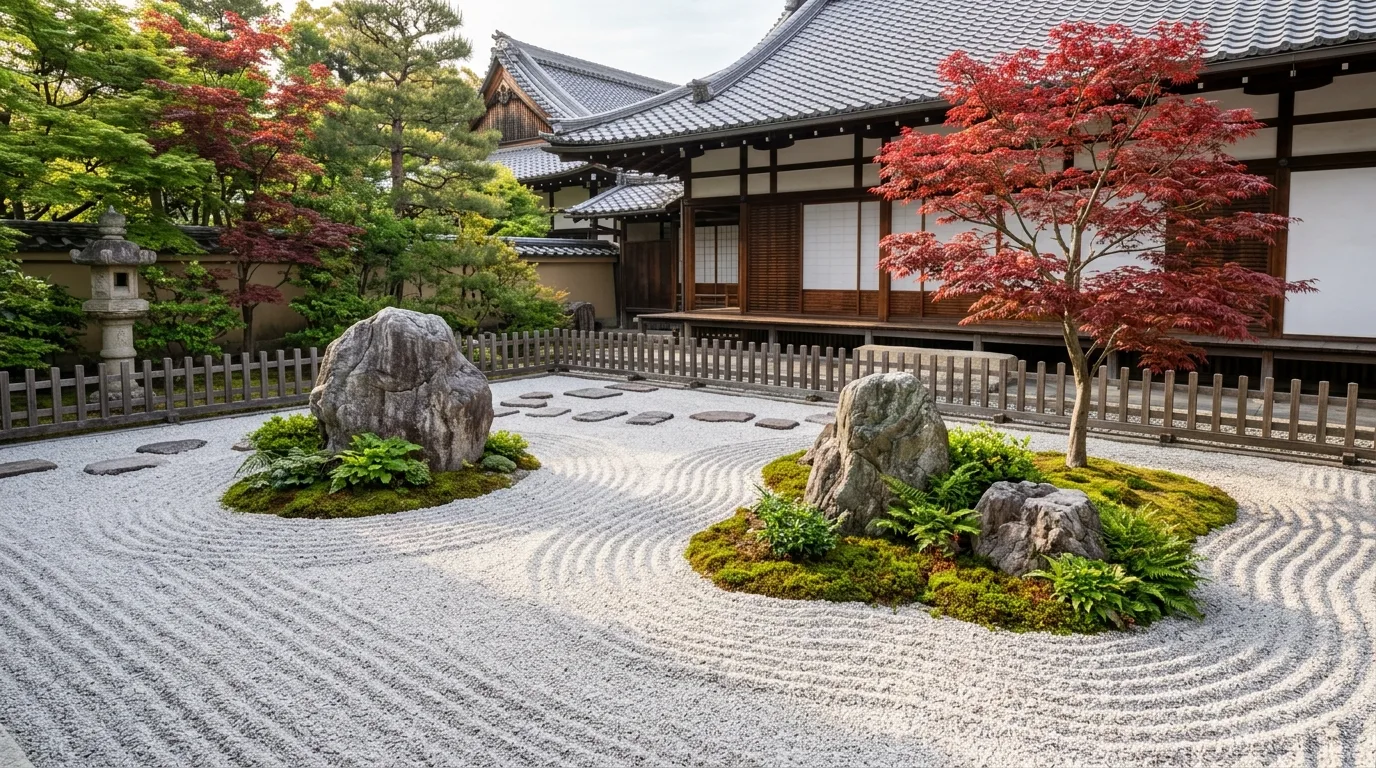
Stone Path Japanese Garden
A stone path gives the garden a calm rhythm and makes movement through the space feel more intentional.
A key structural element.
Best for: walk-through gardens
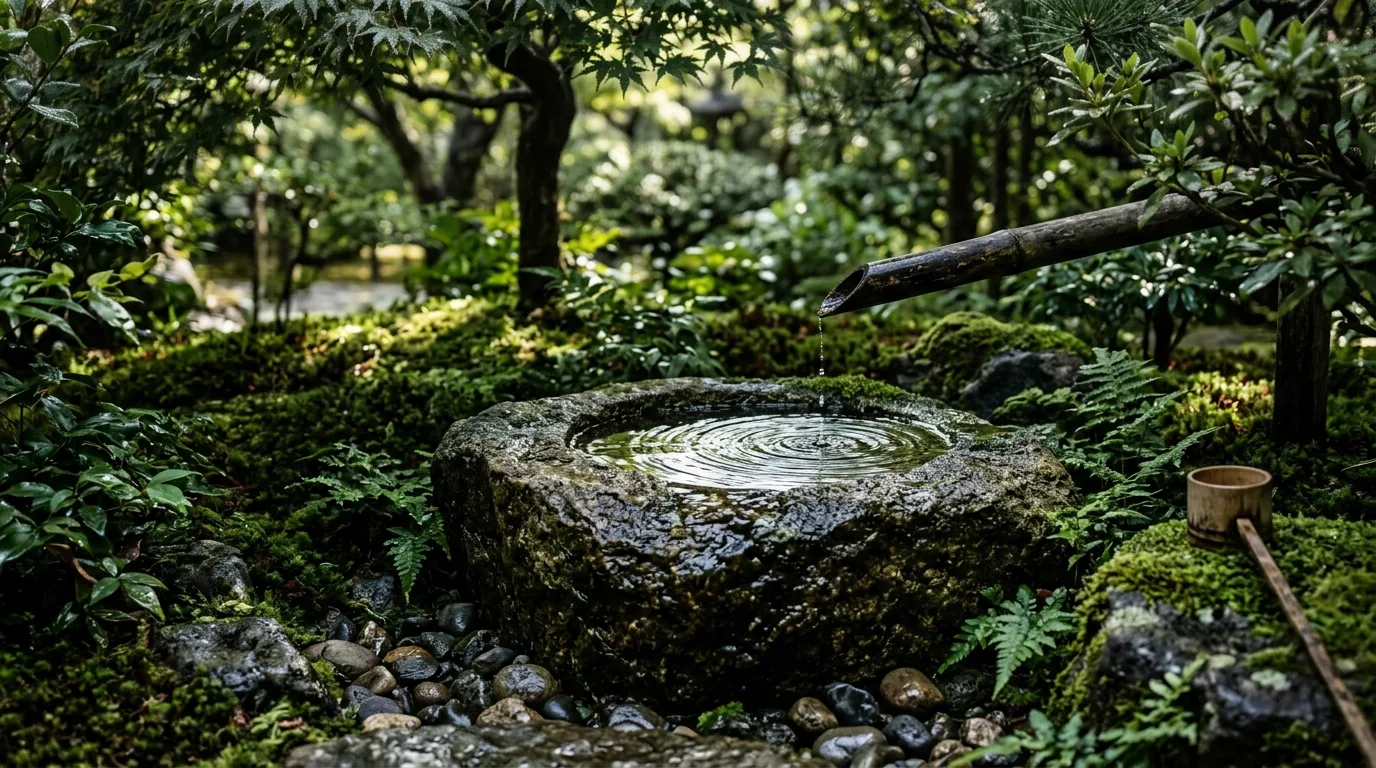
Japanese Garden With Gravel Base
Gravel creates a clean backdrop that helps the planting and stone features stand out quietly.
Simple and low-fuss.
Best for: minimal layouts
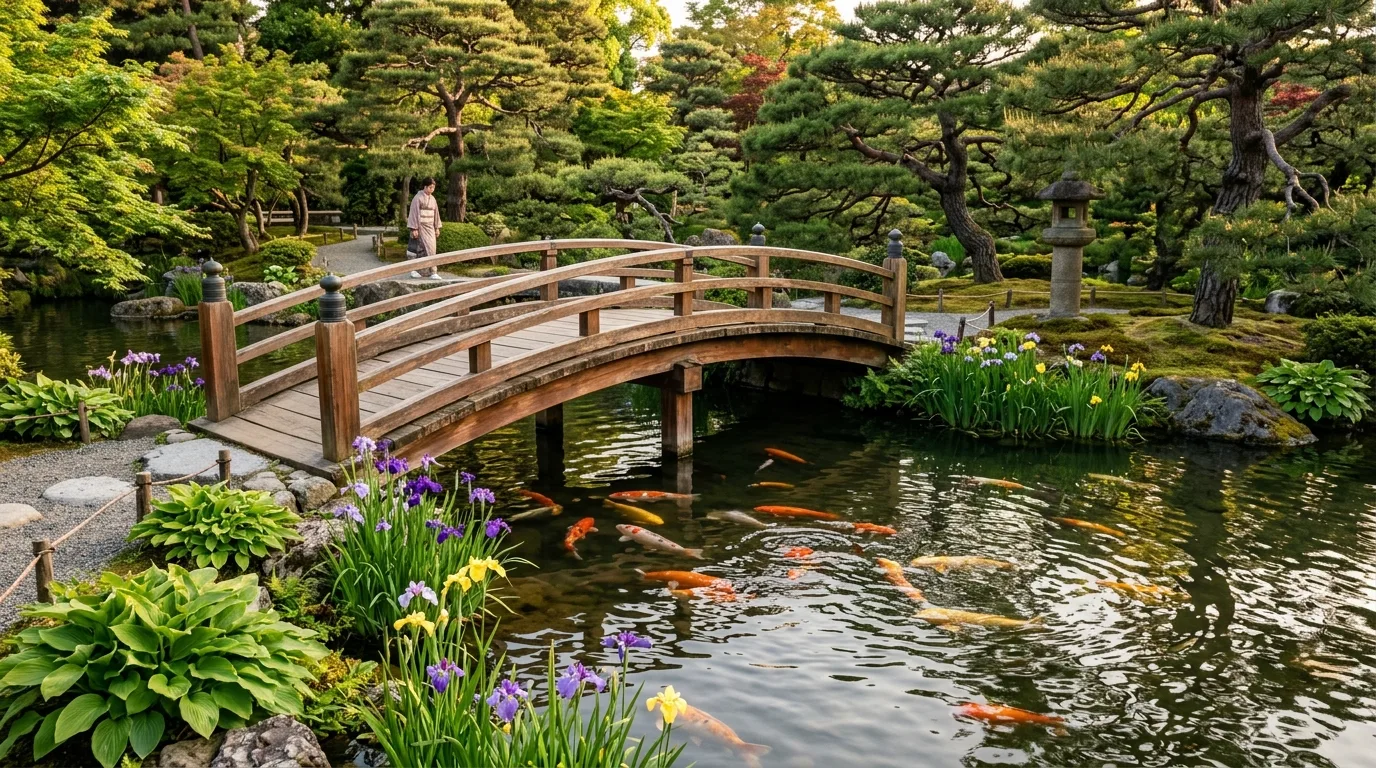
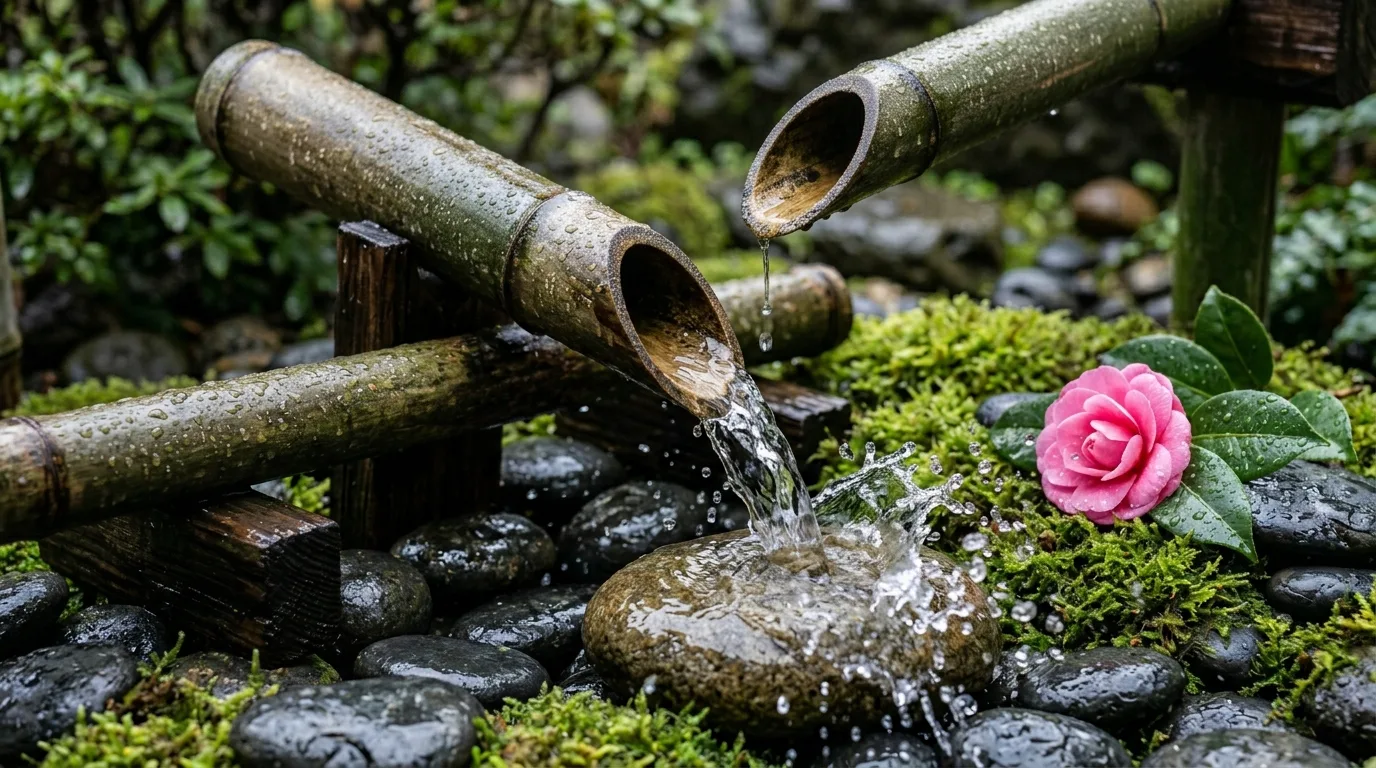
Water Feature Retreat
A small water element adds sound and movement, helping the space feel more meditative.
Best when kept understated.
Best for: calm focal points
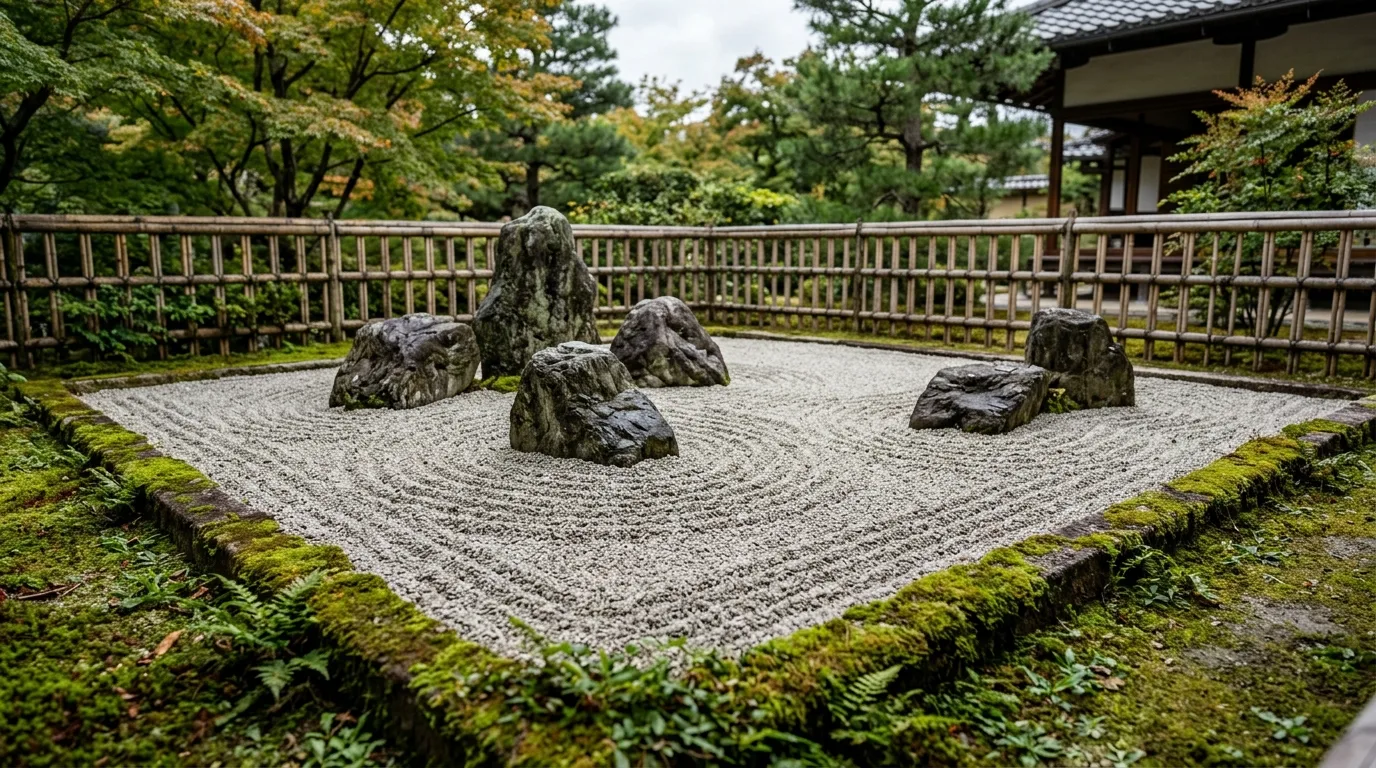
Moss and Shade Texture Garden
Mossy textures and soft shade create a cooler, more settled mood in Japanese-inspired layouts.
Very atmospheric in the right conditions.
Best for: shaded gardens
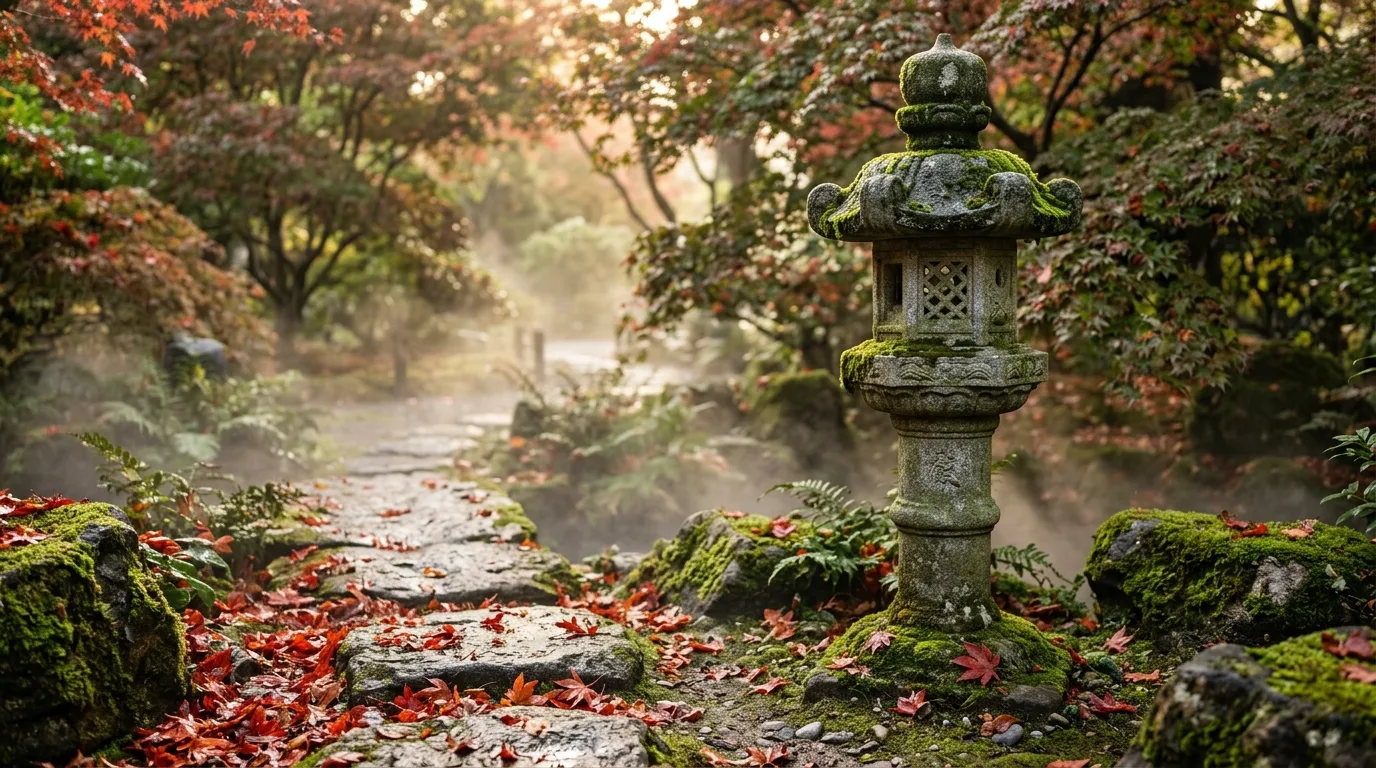
Japanese Courtyard Garden
A courtyard approach can make even a smaller yard feel quiet and enclosed.
Excellent for privacy.
Best for: compact homes
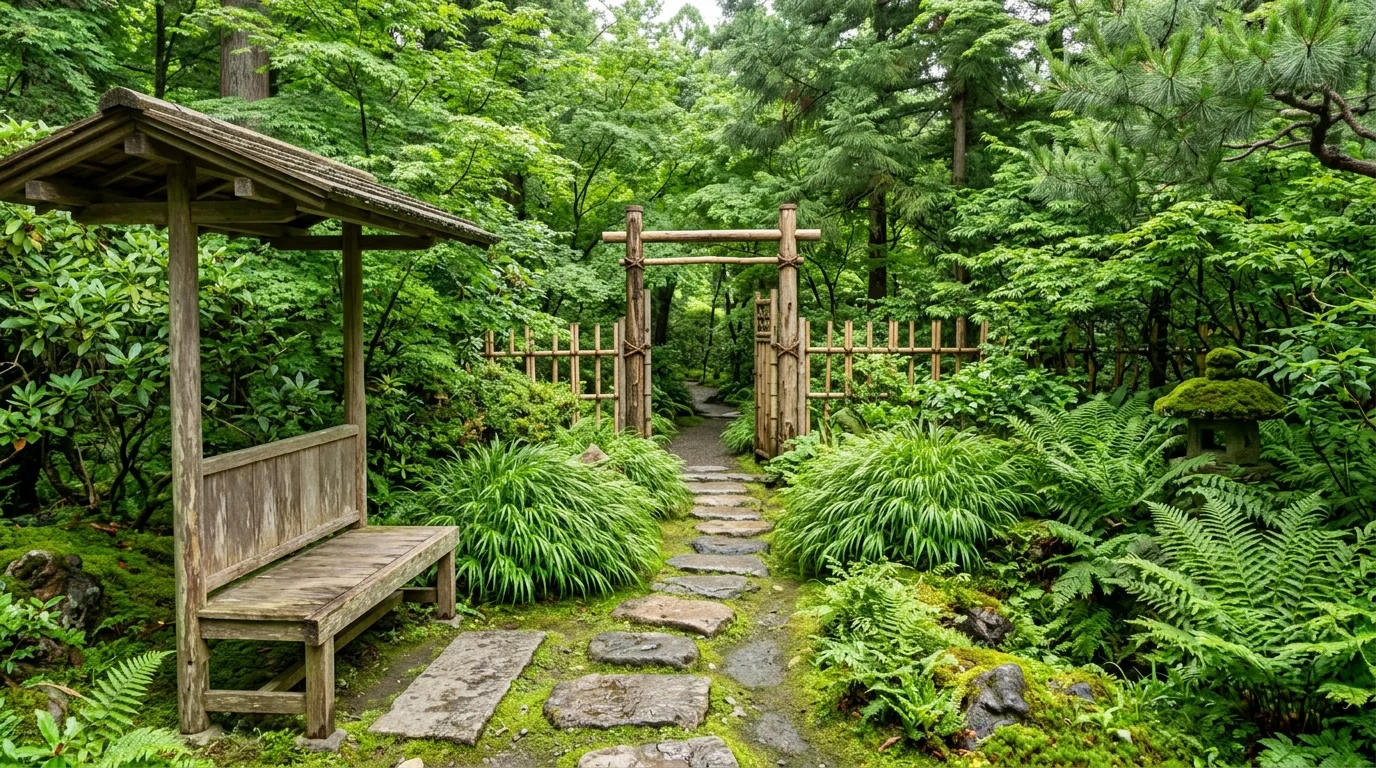
Rock and Evergreen Composition
Rocks and evergreen shapes give the garden year-round structure without needing heavy flower color.
A dependable design base.
Best for: all-season serenity
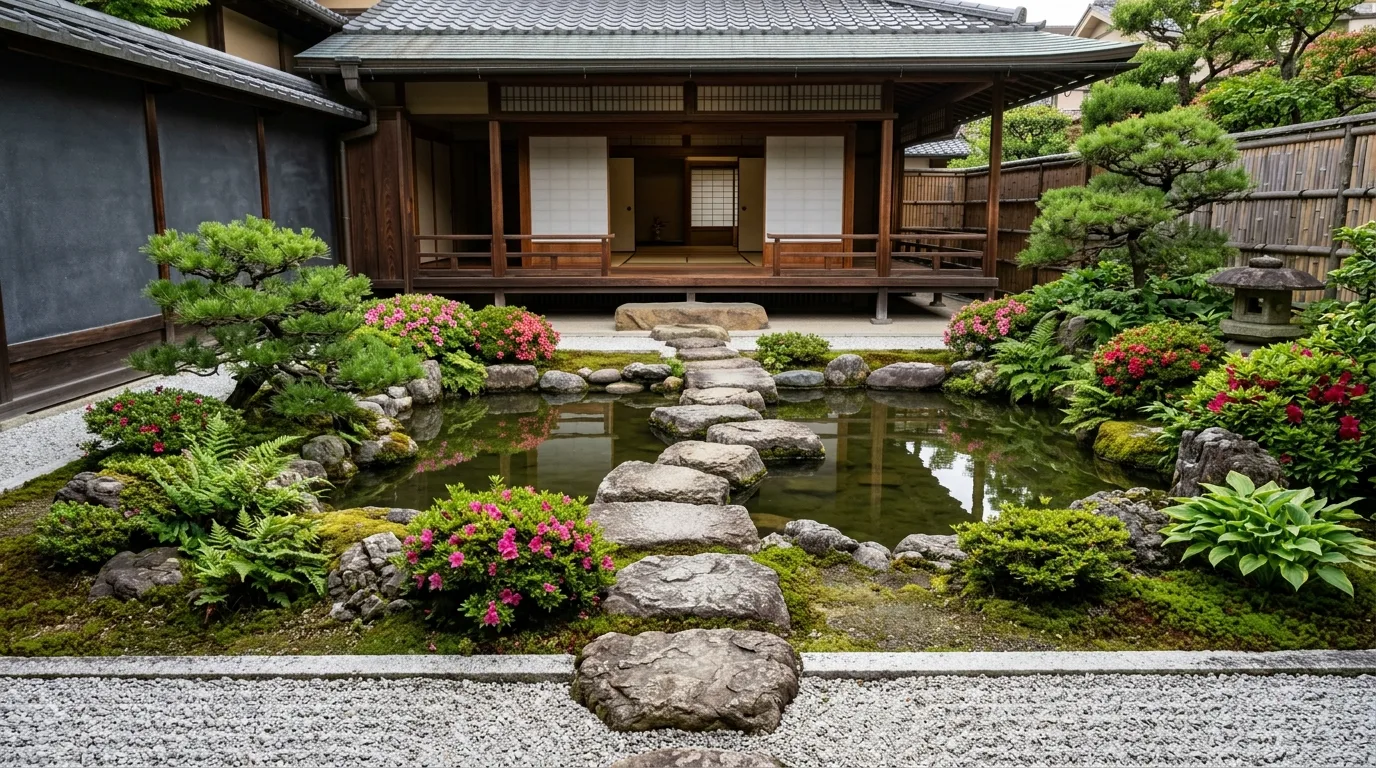
Bridge or Crossing Detail
A small bridge or crossing feature adds a sense of journey and symbolism to the layout.
Works best with water or gravel beneath.
Best for: decorative movement
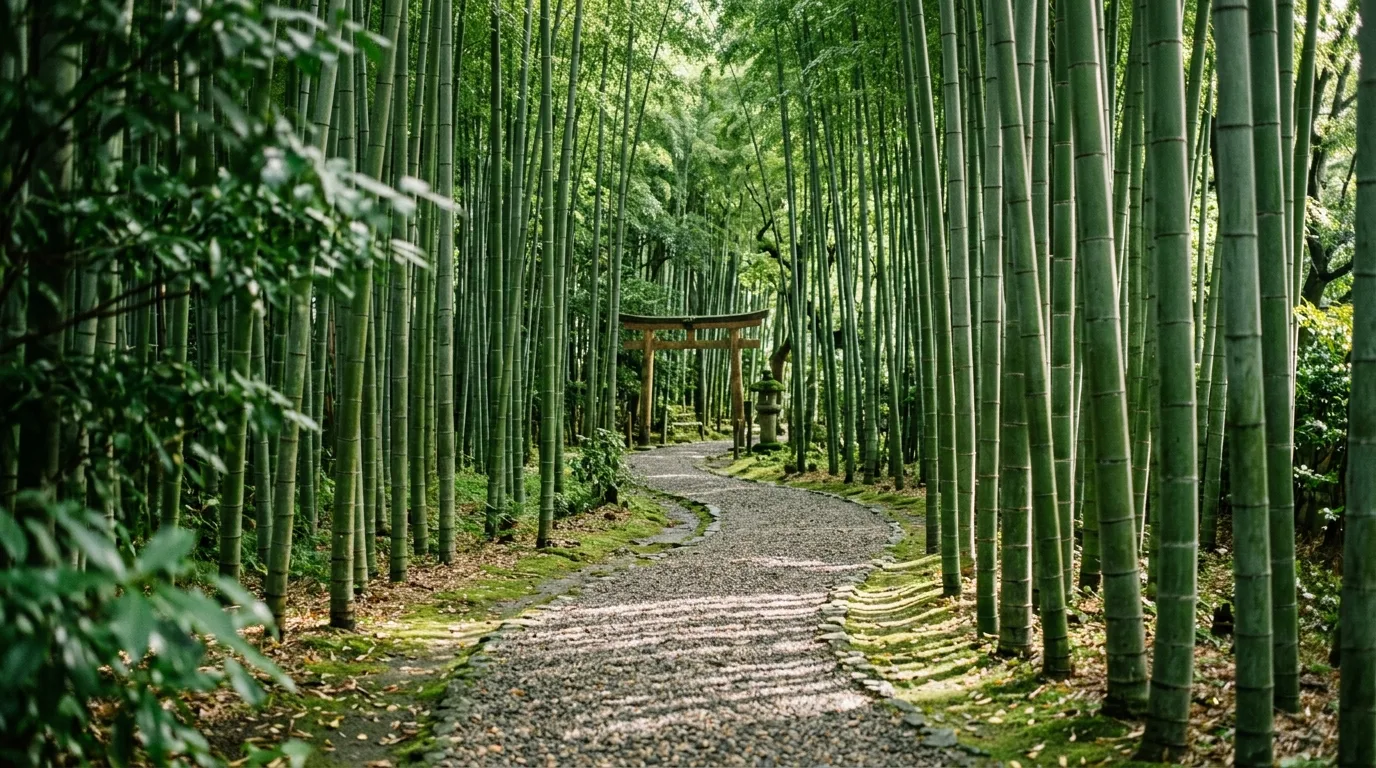
Lantern and Stone Accent Garden
A lantern or stone ornament can act as a quiet focal point without making the space feel overdone.
Restraint is important here.
Best for: small focal gardens
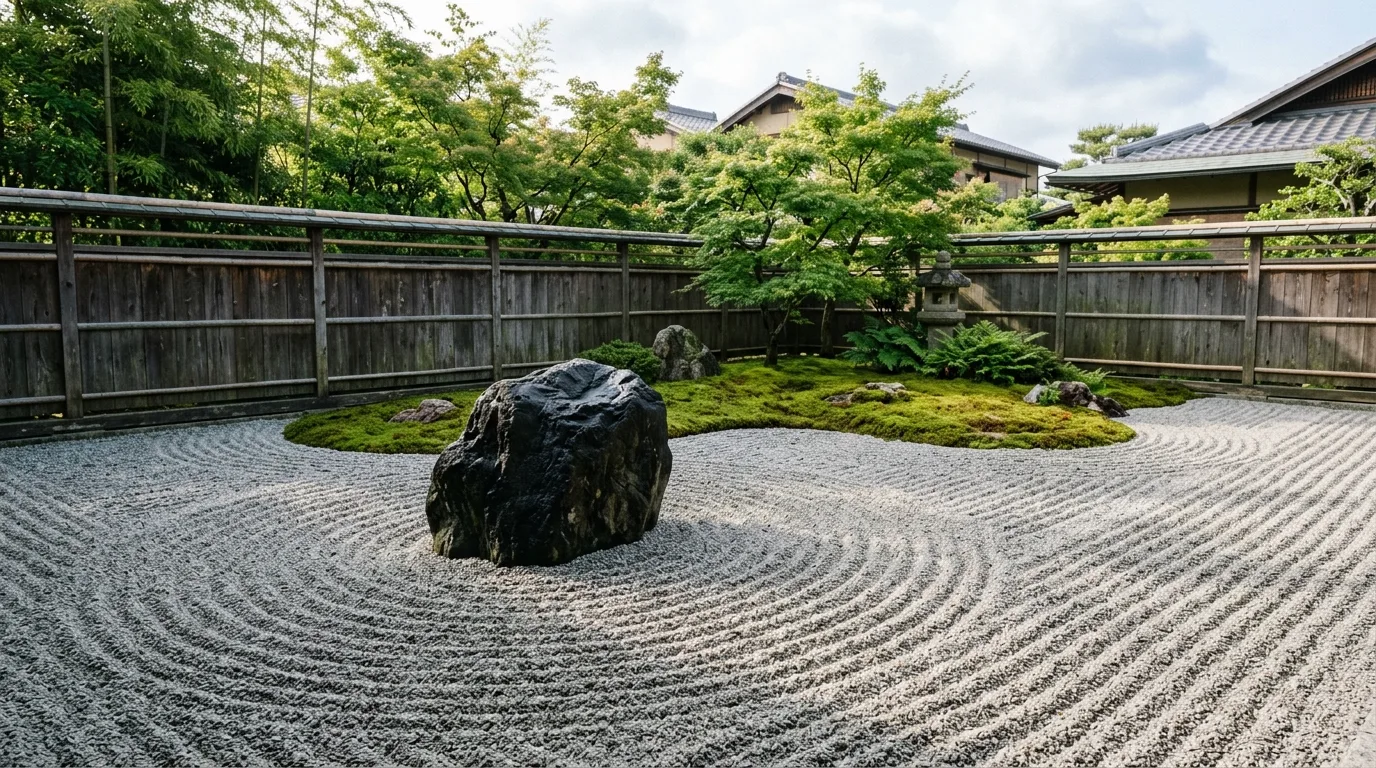
Raked Gravel Zen Style
Raked gravel patterns can create a very simple but visually calming composition.
Best in drier, more minimal gardens.
Best for: zen-inspired spaces
Layered Japanese Planting
Layered planting around paths and stone features helps the space feel softer and more immersive.
Works well with restrained color.
Best for: lush calm layouts
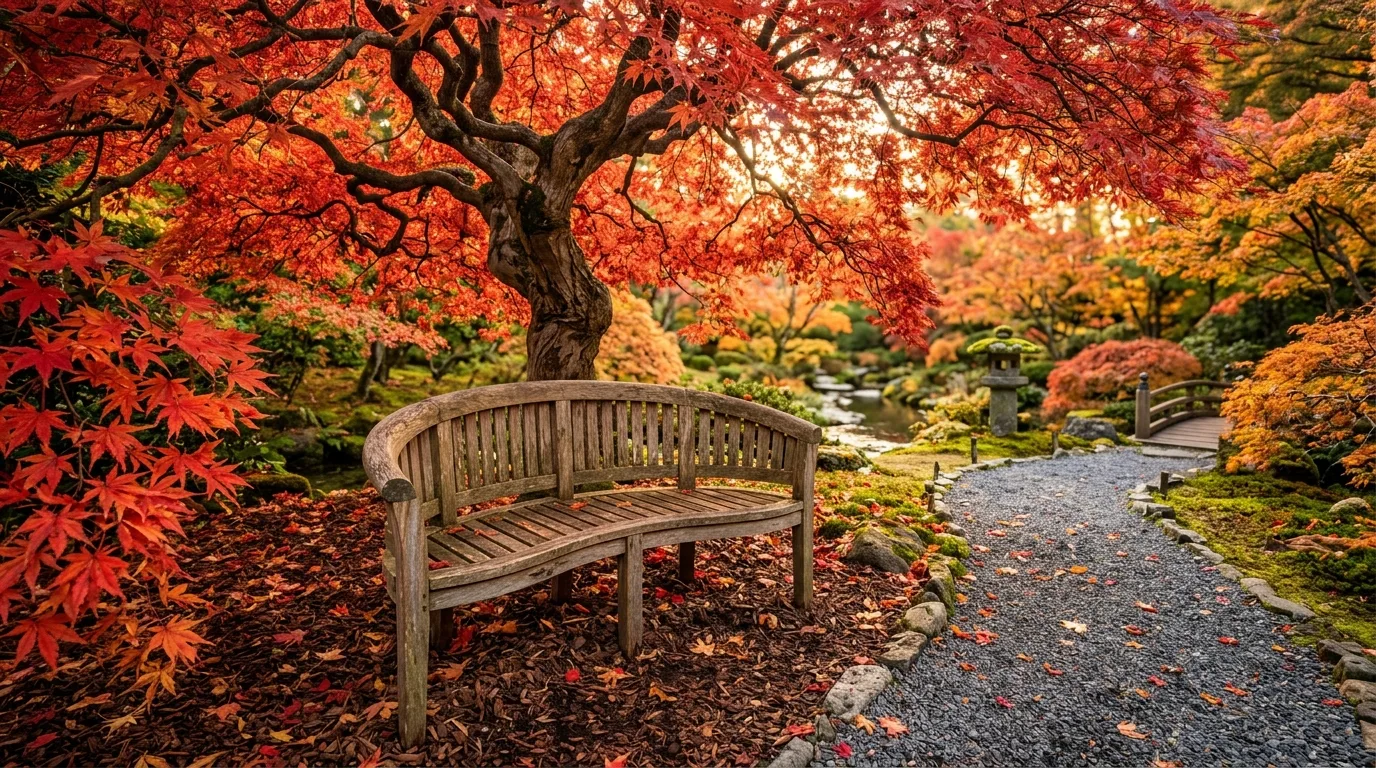
Japanese Garden Seating Corner
A small seat placed carefully can turn the garden into a place for pause instead of only viewing.
Best where the view is controlled.
Best for: quiet retreats
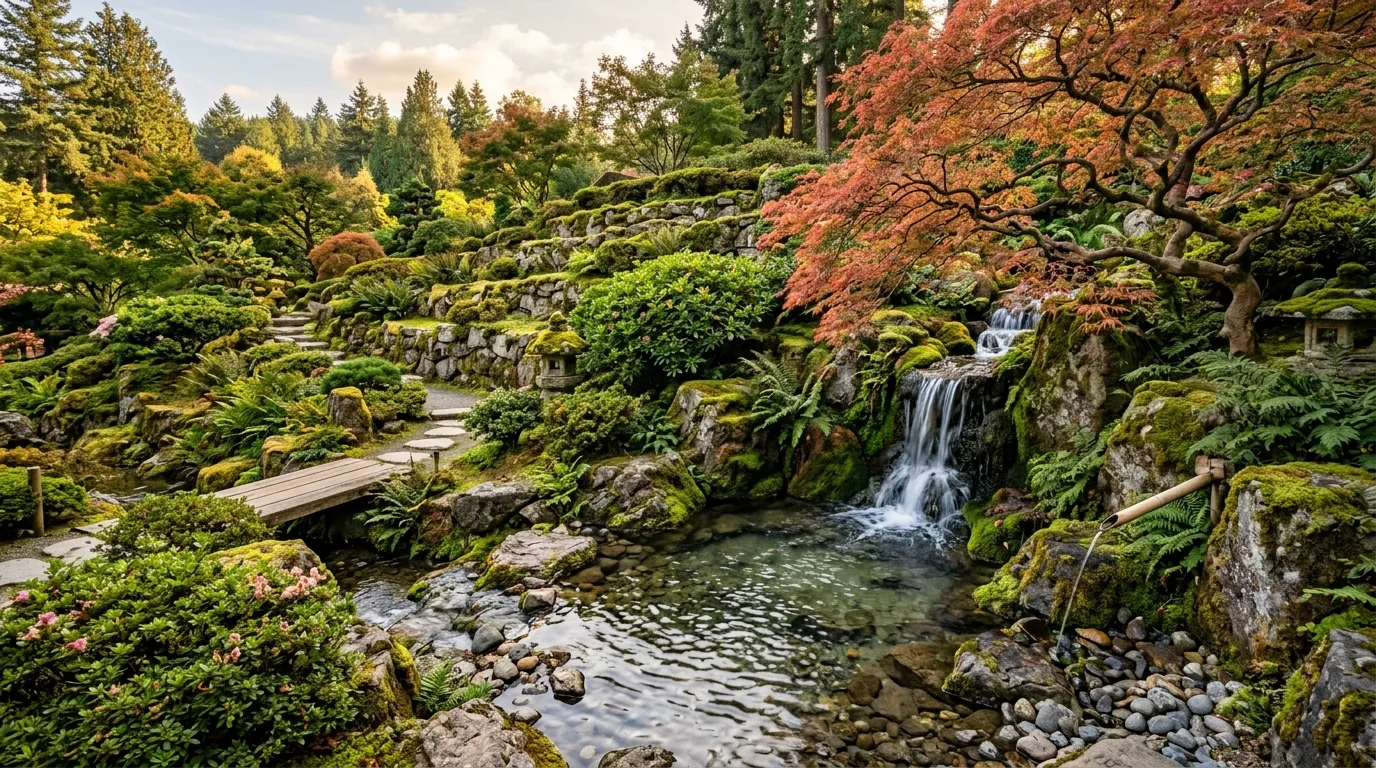
Complete Peaceful Retreat Plan
The best Japanese garden ideas combine path, texture, structure, and silence so the whole space feels restful and balanced.
The complete Japanese-garden example.
Best for: best overall peaceful retreat
What makes a Japanese garden feel peaceful
A Japanese-inspired garden feels peaceful when every element has room to breathe. Simpler structure, restrained planting, and careful use of stone or water usually create the strongest result.