
Growing potatoes is beginner-friendly when the steps are kept simple and done at the right time. These tips walk through the process from planting to harvest so new gardeners can grow potatoes with more confidence.
Why these ideas work
- Seed potatoes, loose soil, sun, spacing, hilling, watering, mulch, containers, raised beds, and harvest timing all matter when growing potatoes.
- Loose soil makes harvest easier.
- Hilling is one of the most important steps for a better crop.
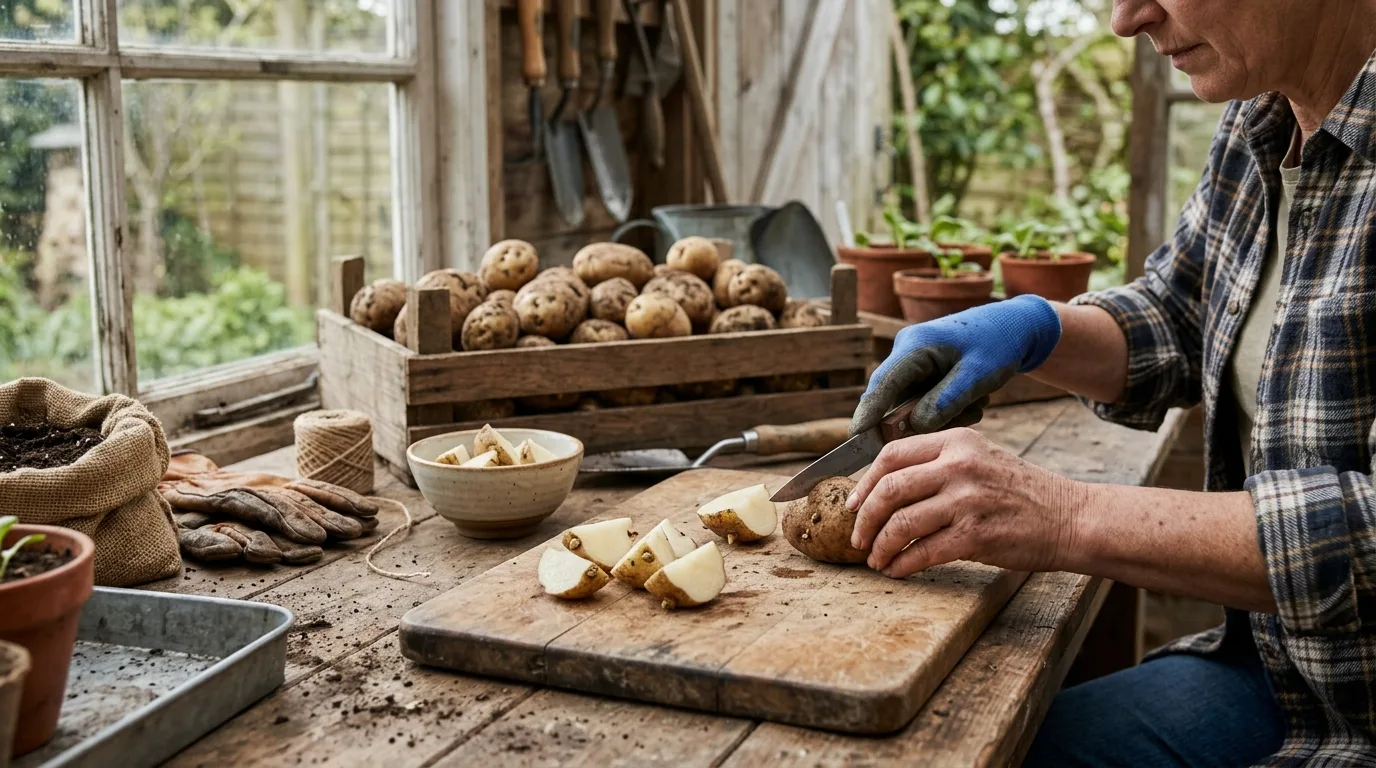
Choose Healthy Seed Potatoes
Starting with healthy seed potatoes makes the whole crop more reliable from the beginning.
A very important first step.
Best for: good crop starts
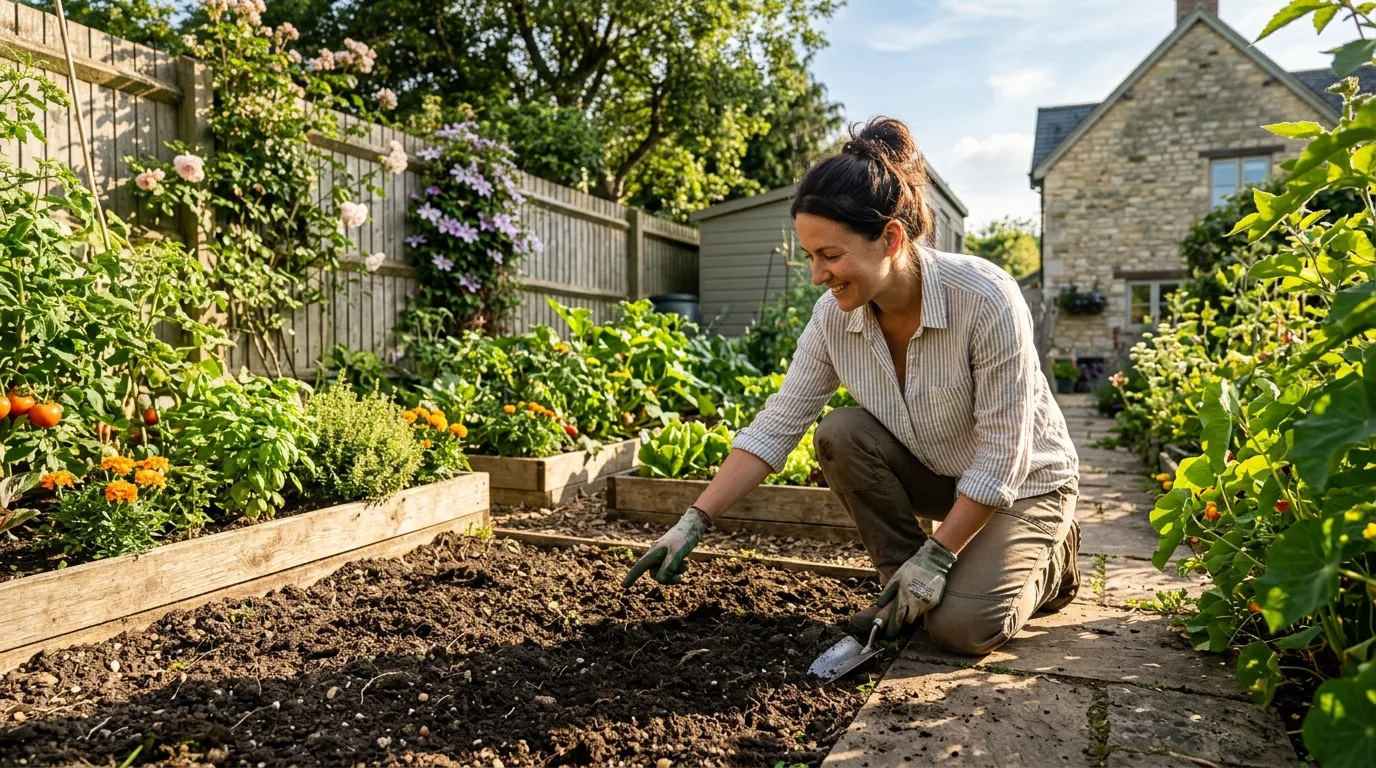
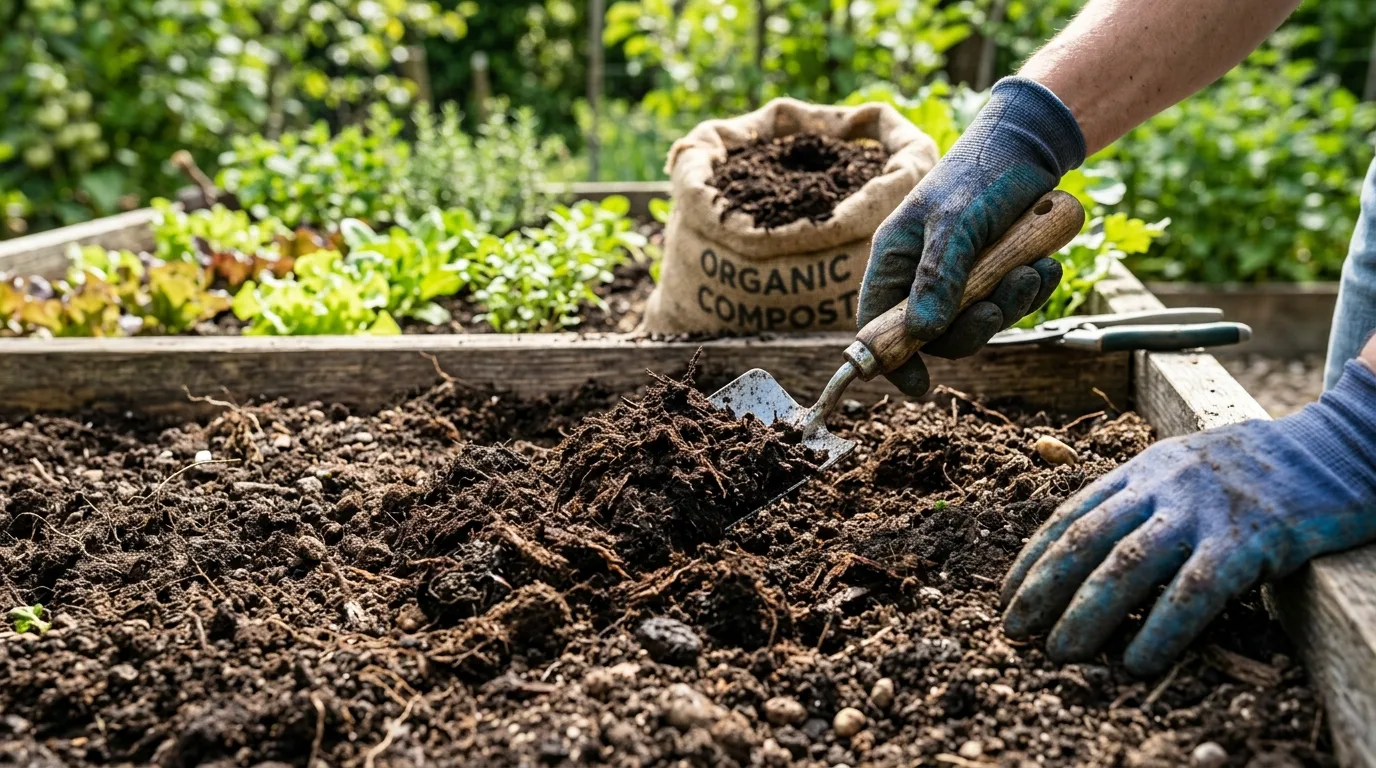
Plant in Loose Well-Draining Soil
Loose soil helps the tubers form better and makes the harvest much easier later on.
Potatoes do not like compacted soil.
Best for: healthier root growth
Give Potatoes Enough Sun
A sunny growing spot supports stronger plant growth and a better crop overall.
Sunlight matters more than many beginners expect.
Best for: strong top growth
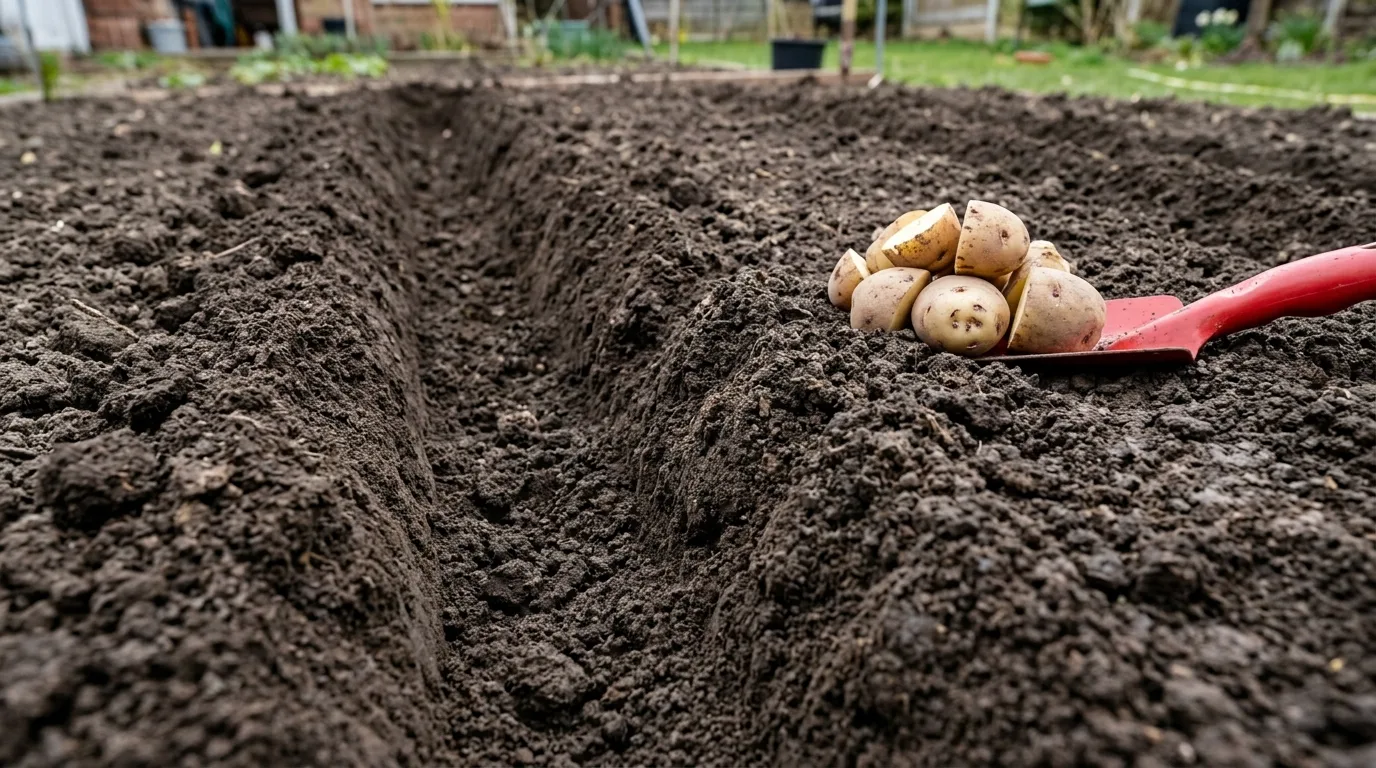
Space Seed Pieces Properly
Good spacing helps the plants stay healthier and gives the potatoes enough room to develop.
Crowding causes problems later.
Best for: cleaner planting rows
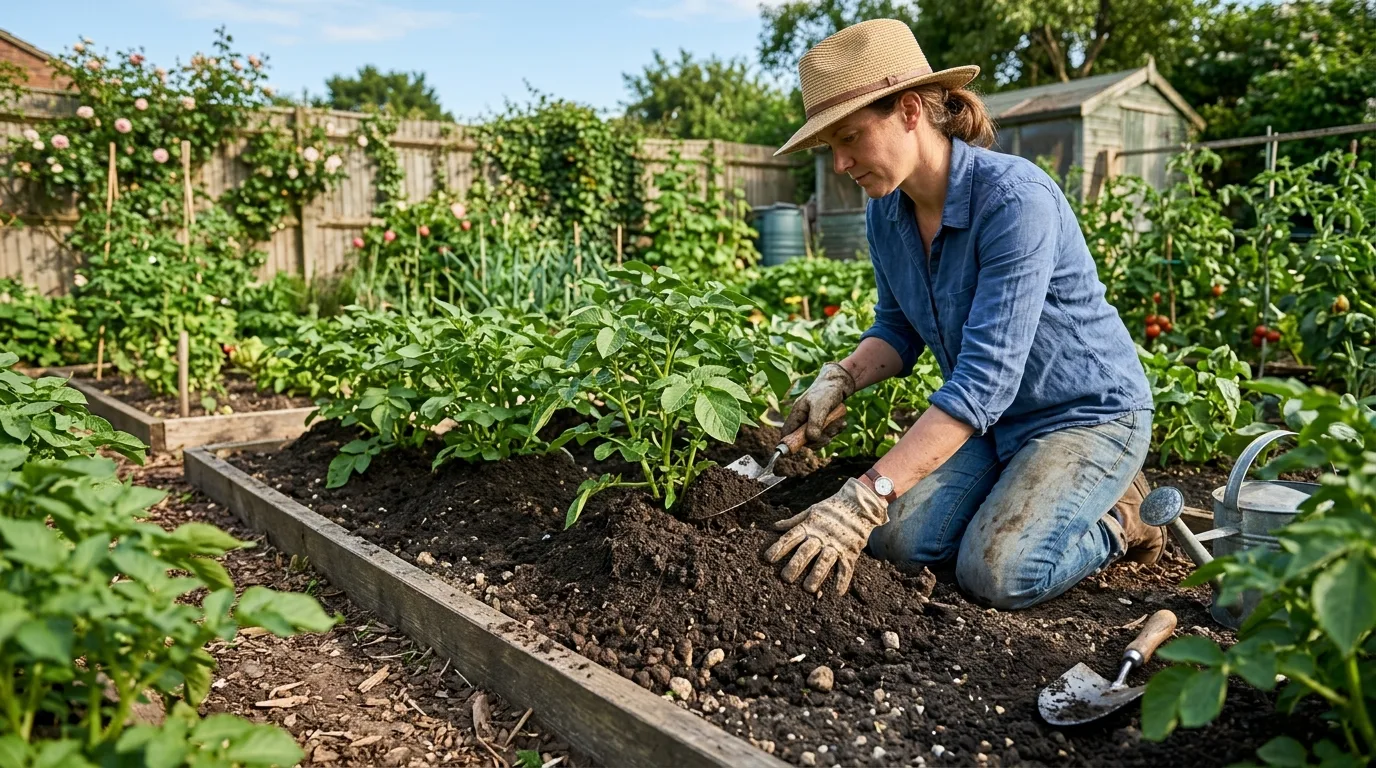
Hill Soil Around the Plants
Hilling protects the developing potatoes from light and supports a better yield.
One of the key beginner steps.
Best for: better harvests
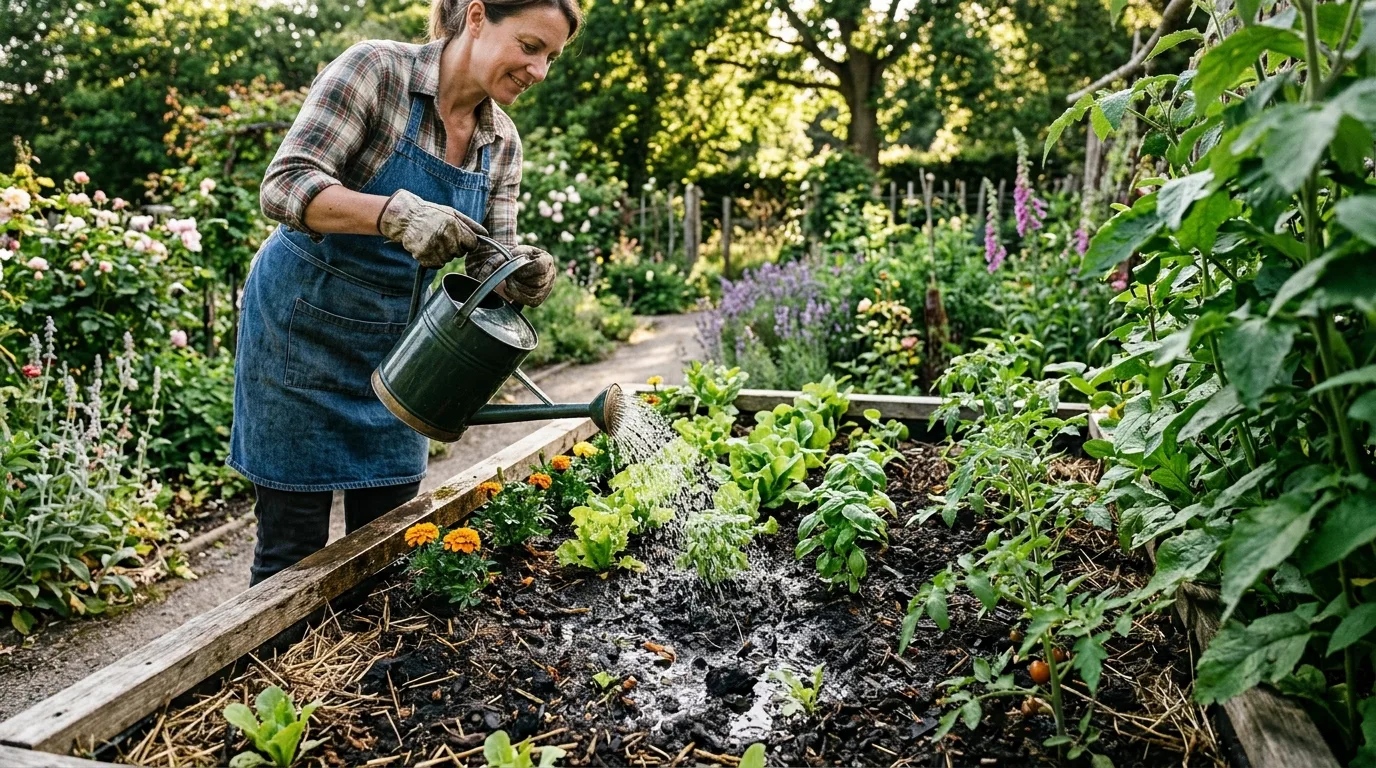
Water Evenly During Growth
Steady moisture helps the plants grow more evenly and reduces stress on the crop.
Do not let them swing too dry and too wet.
Best for: consistent growth
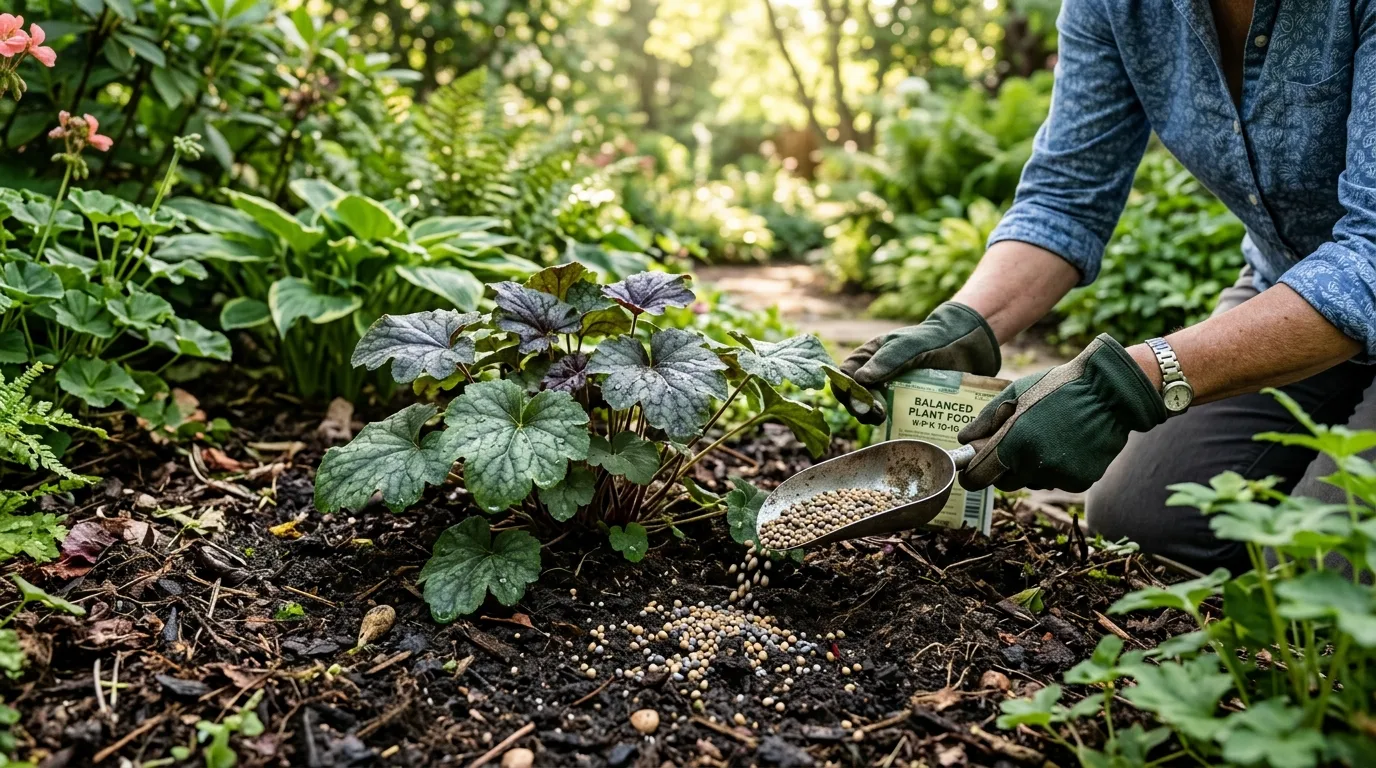
Use Mulch to Keep Soil Cooler
Mulch helps hold moisture and keeps the growing area more stable in warmer weather.
A useful support step.
Best for: summer growing conditions
Try Containers or Grow Bags
Containers and grow bags can make potato growing easier for beginners with less space.
Very practical for small gardens.
Best for: compact setups
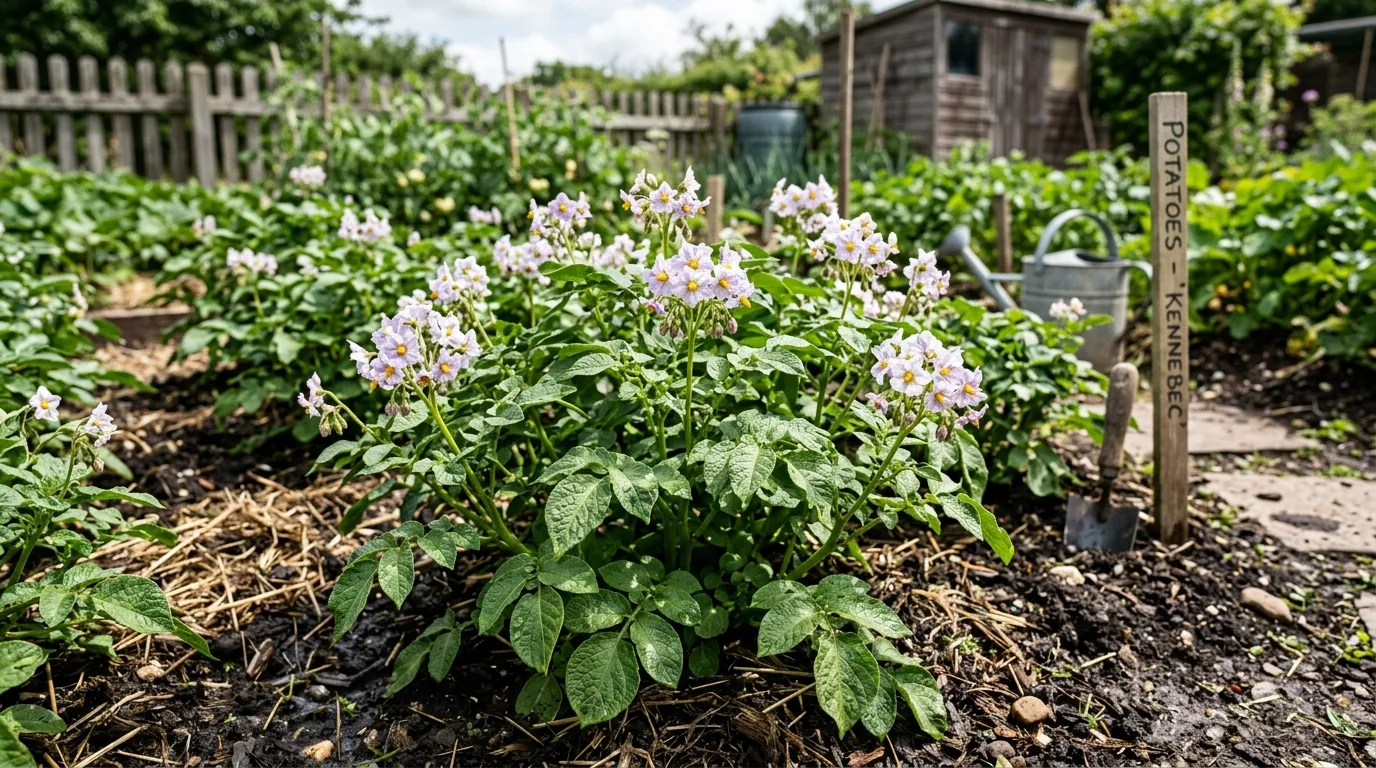
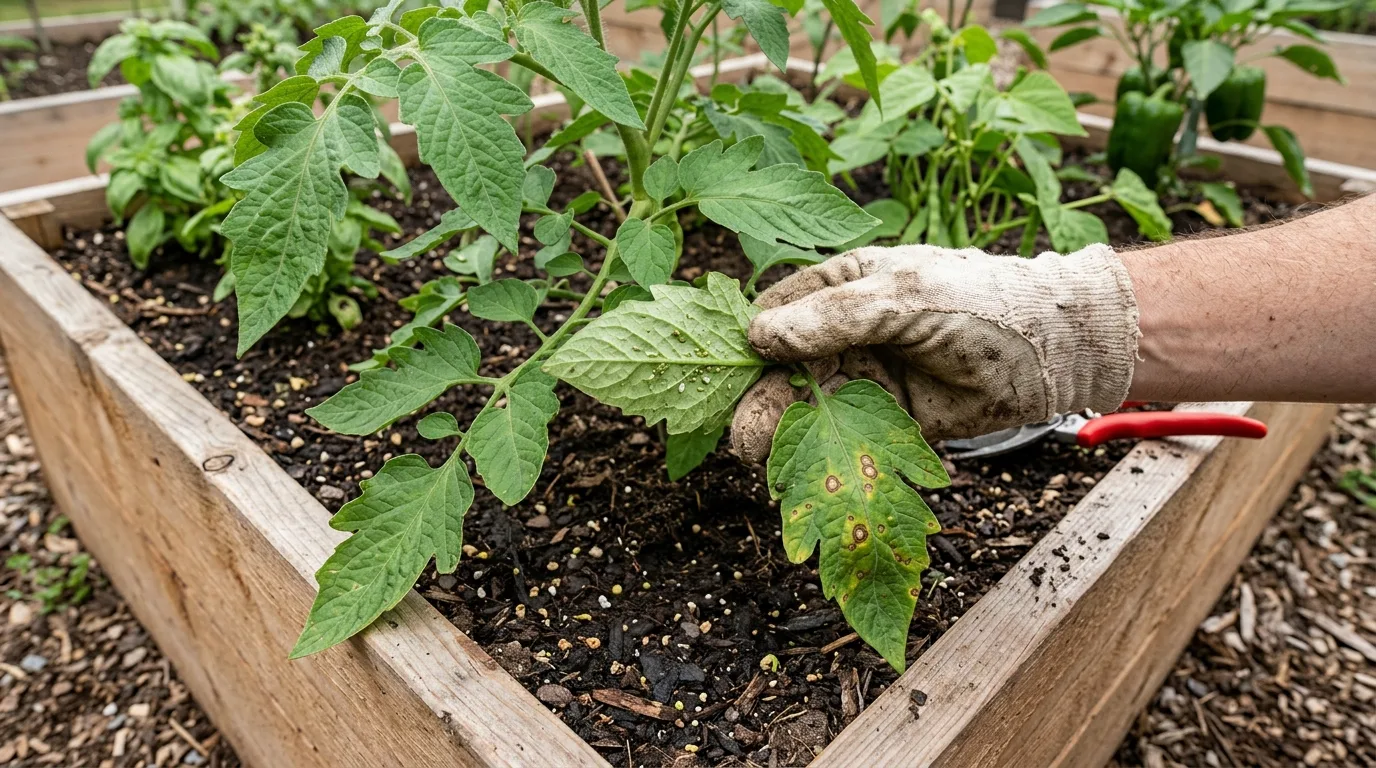
Watch for Plant Health and Pests
Checking foliage regularly helps beginners catch problems before they slow the crop too much.
A simple habit that helps a lot.
Best for: healthier plants
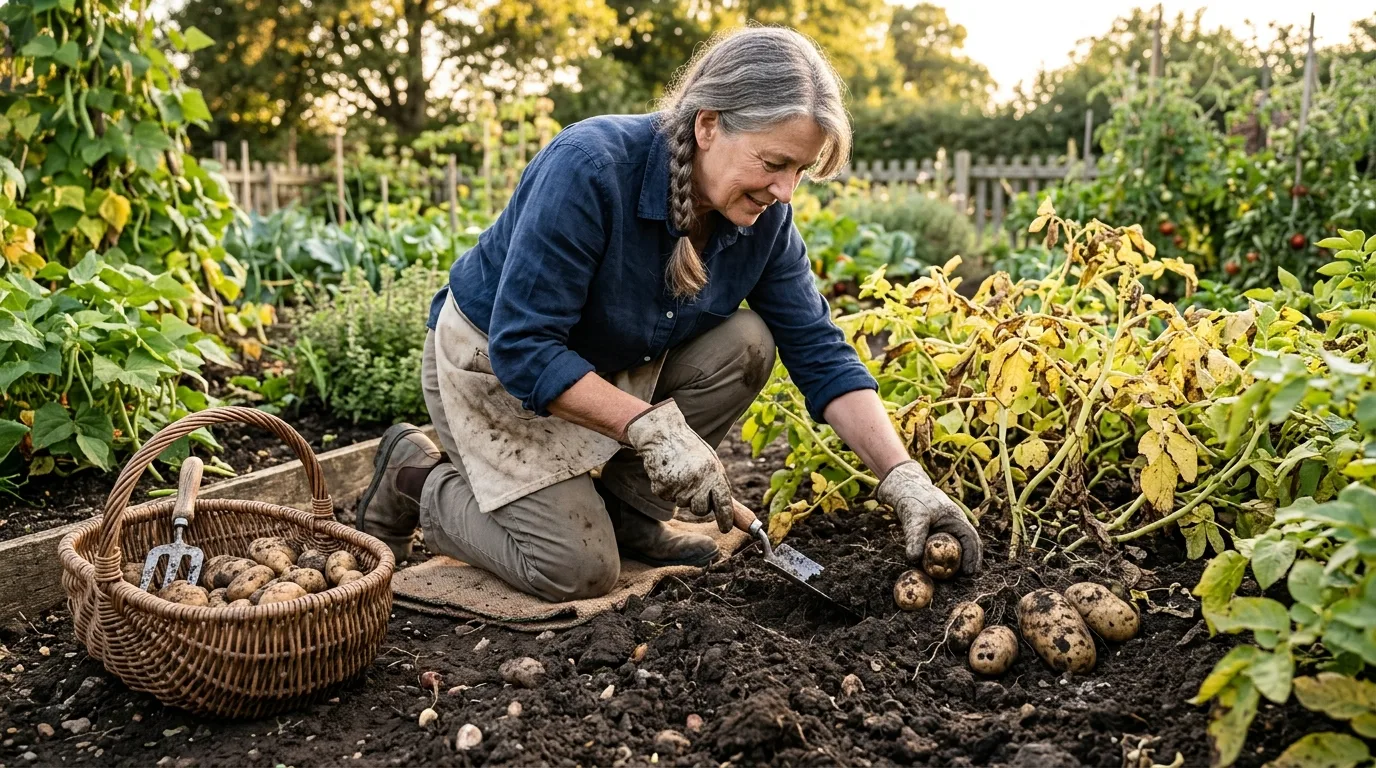
Harvest at the Right Time
Harvest timing changes the size and type of potatoes you get, so it is worth watching plant maturity carefully.
Patience pays off here.
Best for: good-quality potatoes
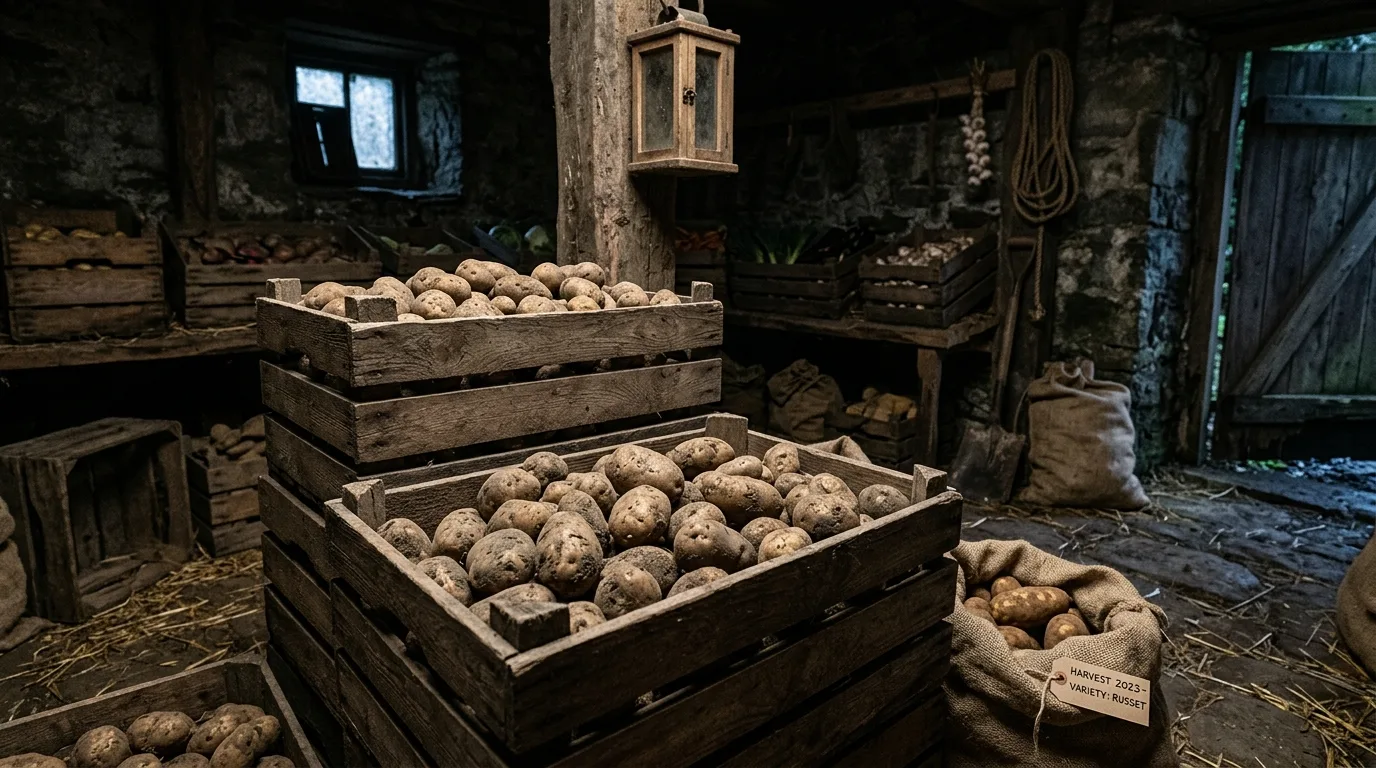
Cure and Store the Harvest Properly
Storing potatoes well helps the work of growing them last much longer after harvest.
The final step matters too.
Best for: longer storage
Why potatoes are a good beginner crop
Potatoes are a good beginner crop because the process is very learnable once the main steps are understood. With enough sun, loose soil, and regular care, beginners can get a satisfying harvest without needing complicated methods.