
Deer-resistant landscaping usually works better when the plant choices and the layout both discourage easy browsing. These ideas focus on tougher plants, layered borders, and design moves that help yards stay more resilient.
Why these ideas work
- Aromatic plants, tougher foliage, layered borders, gravel, and stronger structure often help.
- Deer resistance is about reducing appeal, not guaranteeing zero browsing.
- A more intentional plant mix usually works better than random planting.
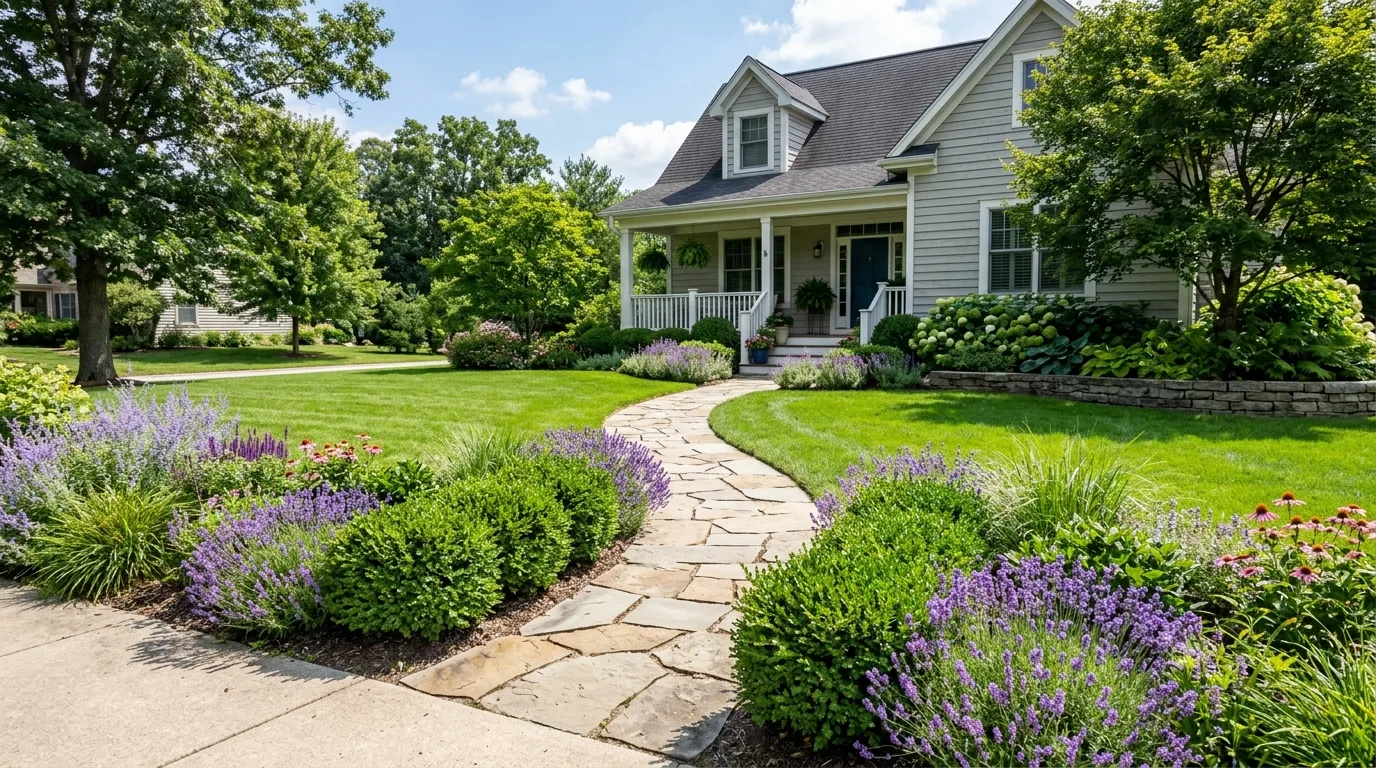
Layered Border With Tougher Plants
A layered border using less appealing plants gives the yard more resilience and still looks full.
A useful starting point.
Best for: garden edges
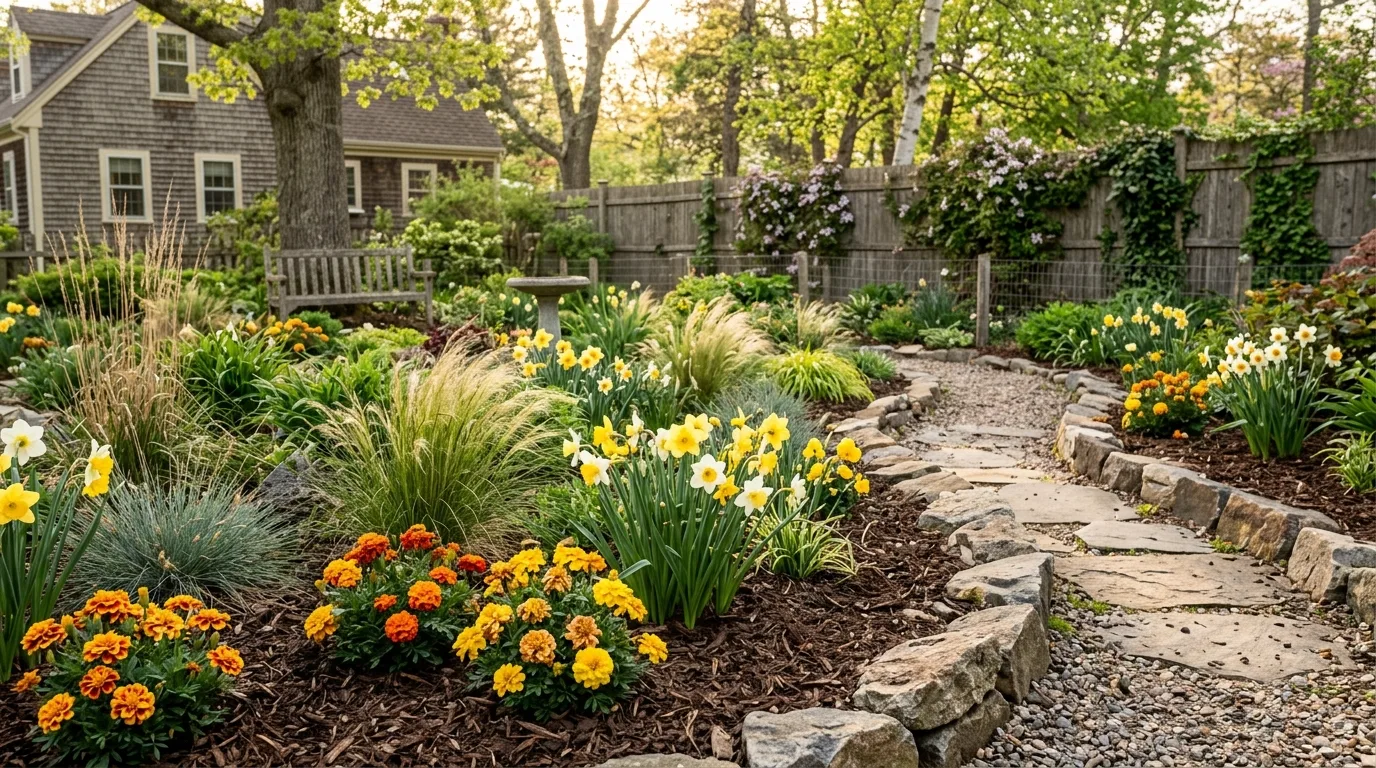
Aromatic Planting Near Walkways
Aromatic plants can help make a garden less attractive to deer while still looking beautiful.
Good in visible areas.
Best for: front paths
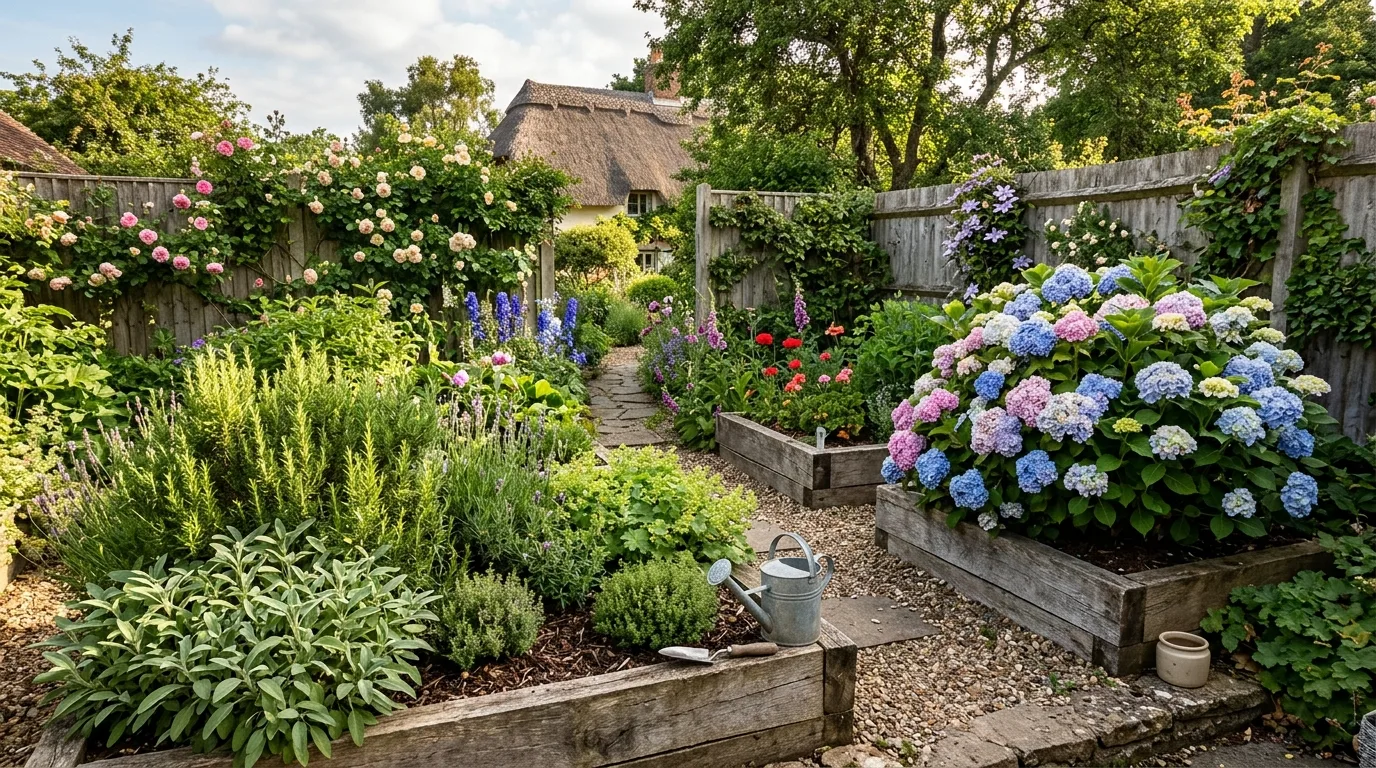
Gravel and Plant Mix for Control
Adding more gravel or hardscape to some areas reduces soft easy browsing space and helps the yard feel cleaner.
A smart design support.
Best for: dry-style beds
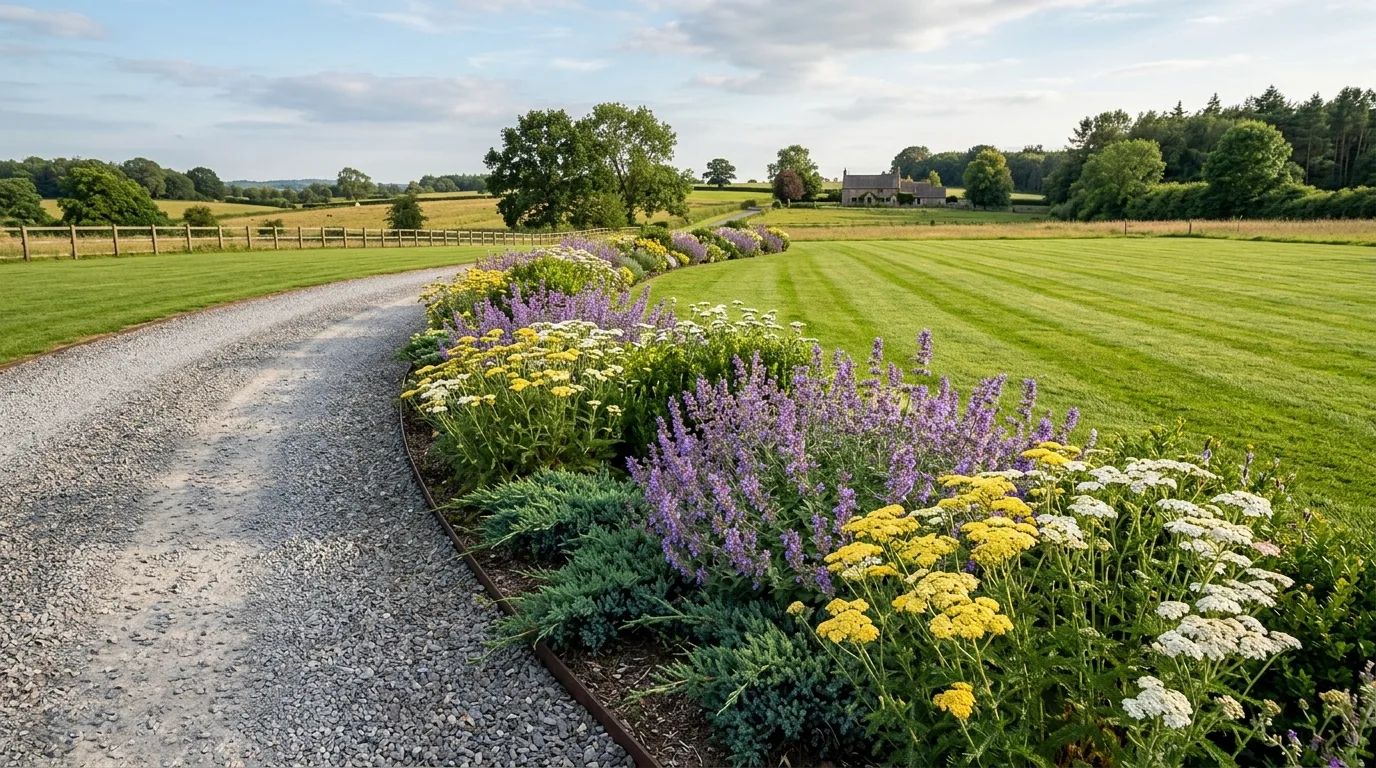
Foundation Planting With Resilient Choices
Using deer-resistant plants near the house keeps the most visible parts of the yard looking better over time.
Good for curb appeal.
Best for: front facades
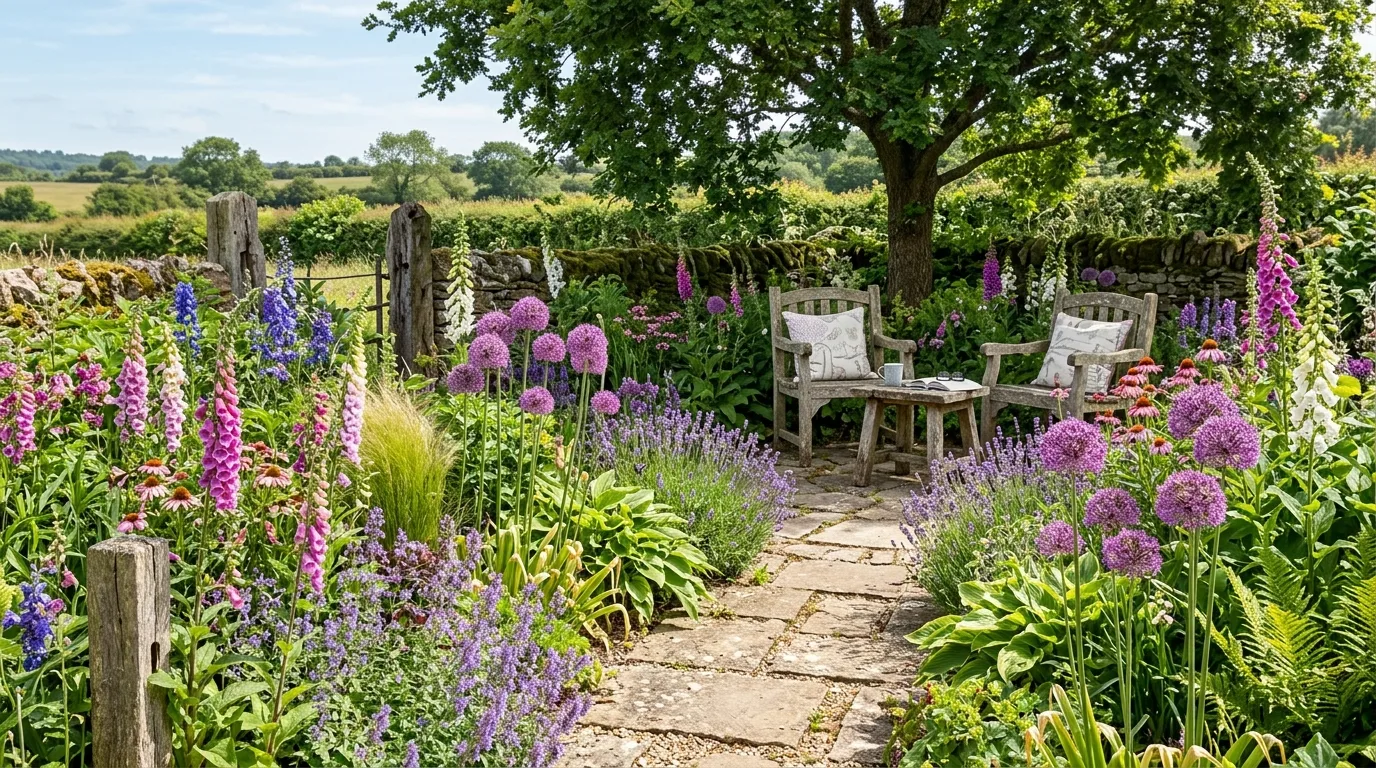
Mixed Texture Border That Deer Avoid More Often
Textured and tougher plant combinations can create a border that is both attractive and less tempting.
Variety helps here.
Best for: mixed beds
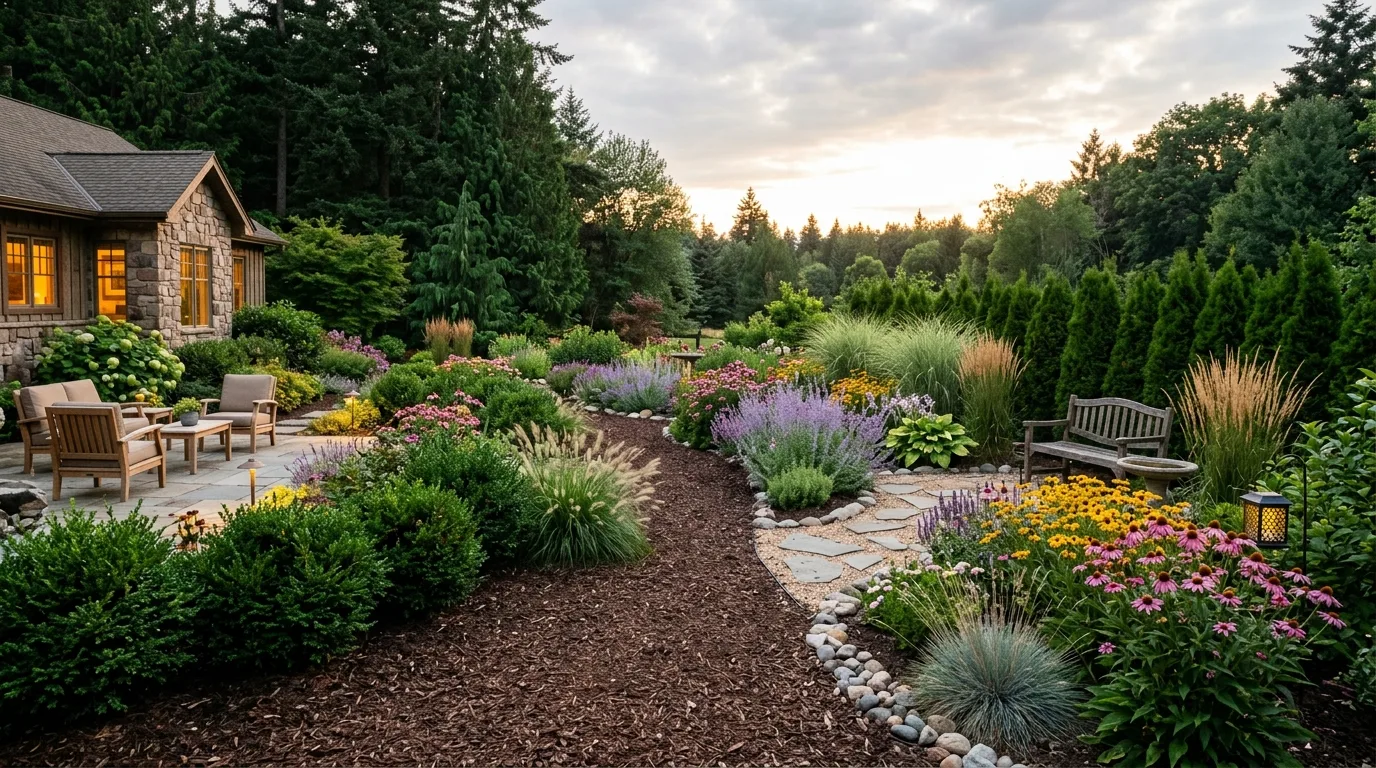
Defined Garden Rooms With Better Protection
Organized garden zones can make it easier to protect key planting areas while improving the overall layout.
Useful in larger yards.
Best for: structured landscapes
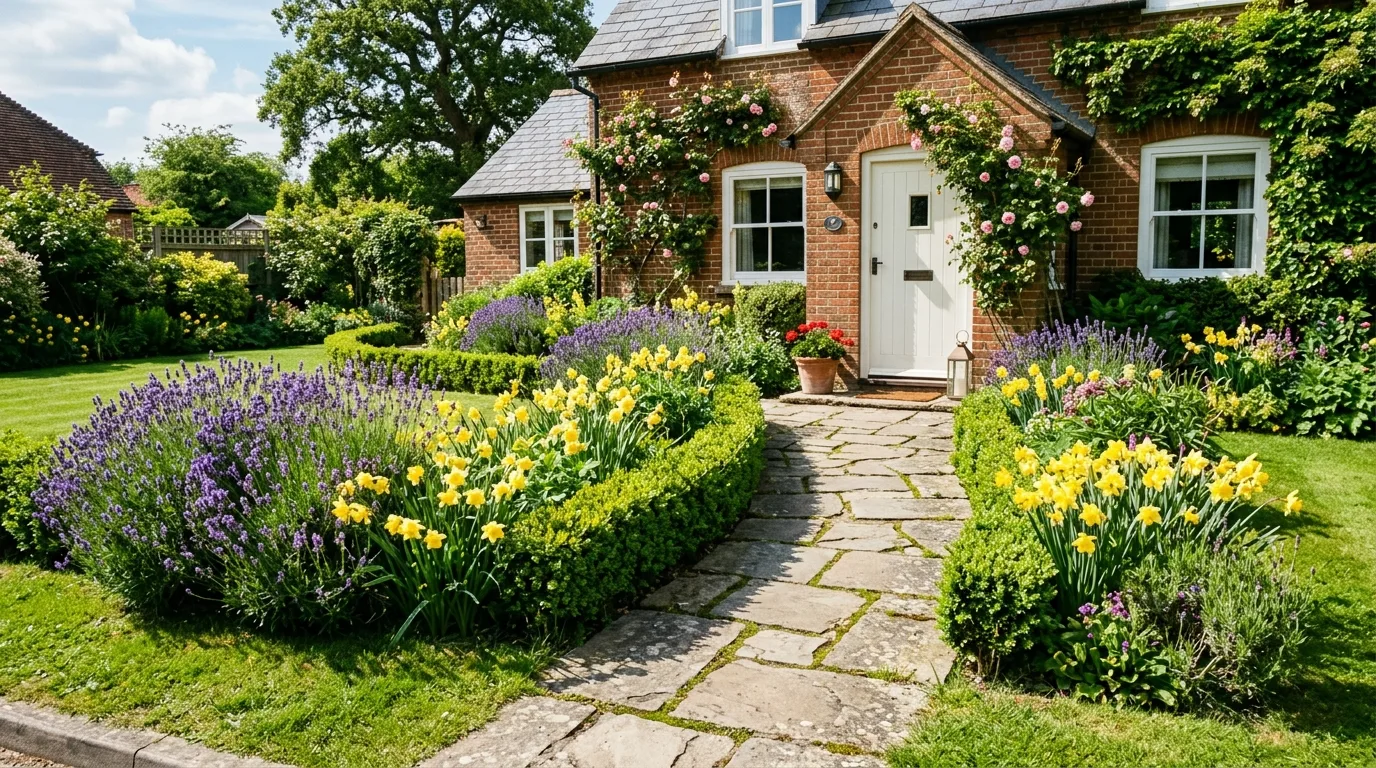
Pathside Planting With Hardier Choices
Using hardier plants near paths keeps the yard attractive while reducing disappointment from browsing.
Best for high-visibility spots.
Best for: walkways
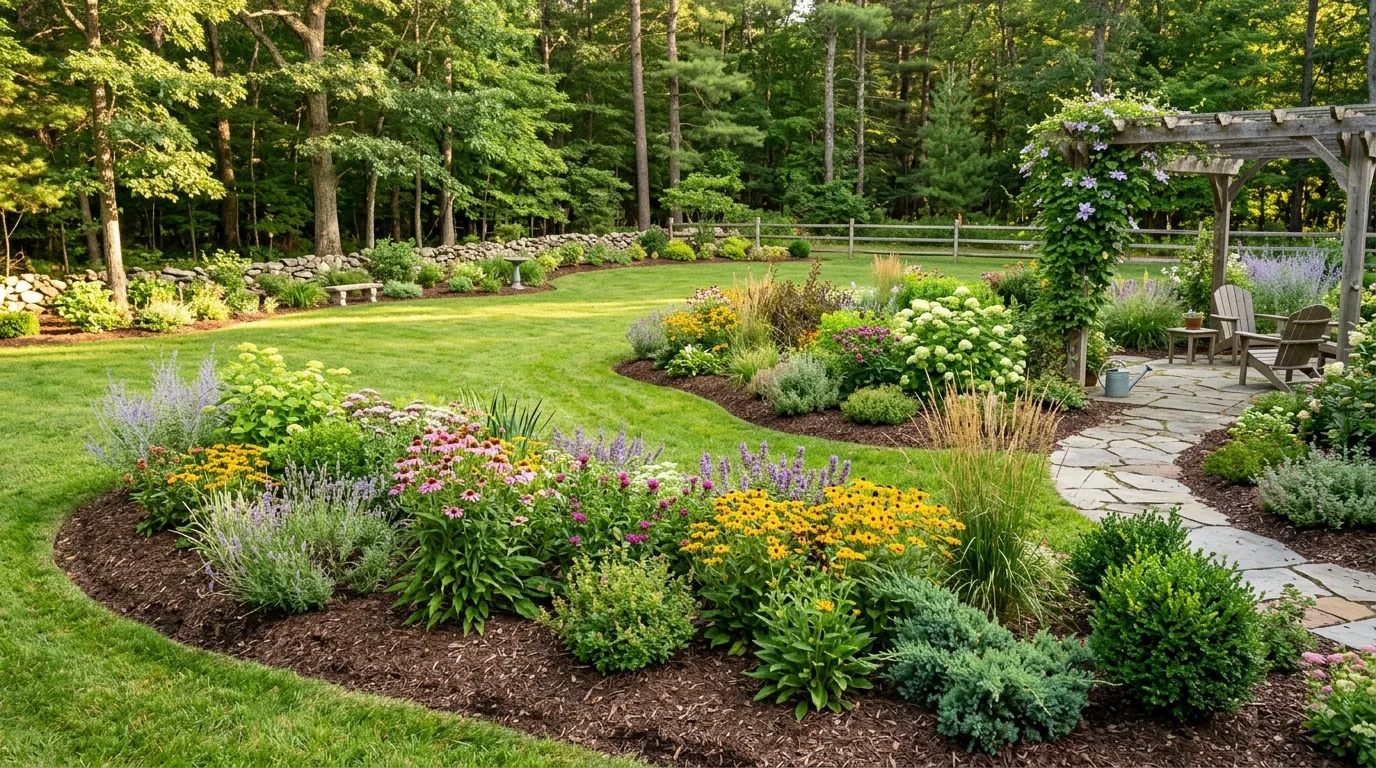
Shrub Framework for More Stability
A stronger shrub framework helps the landscape still look structured even if smaller plants are less dependable.
A good backbone strategy.
Best for: year-round shape
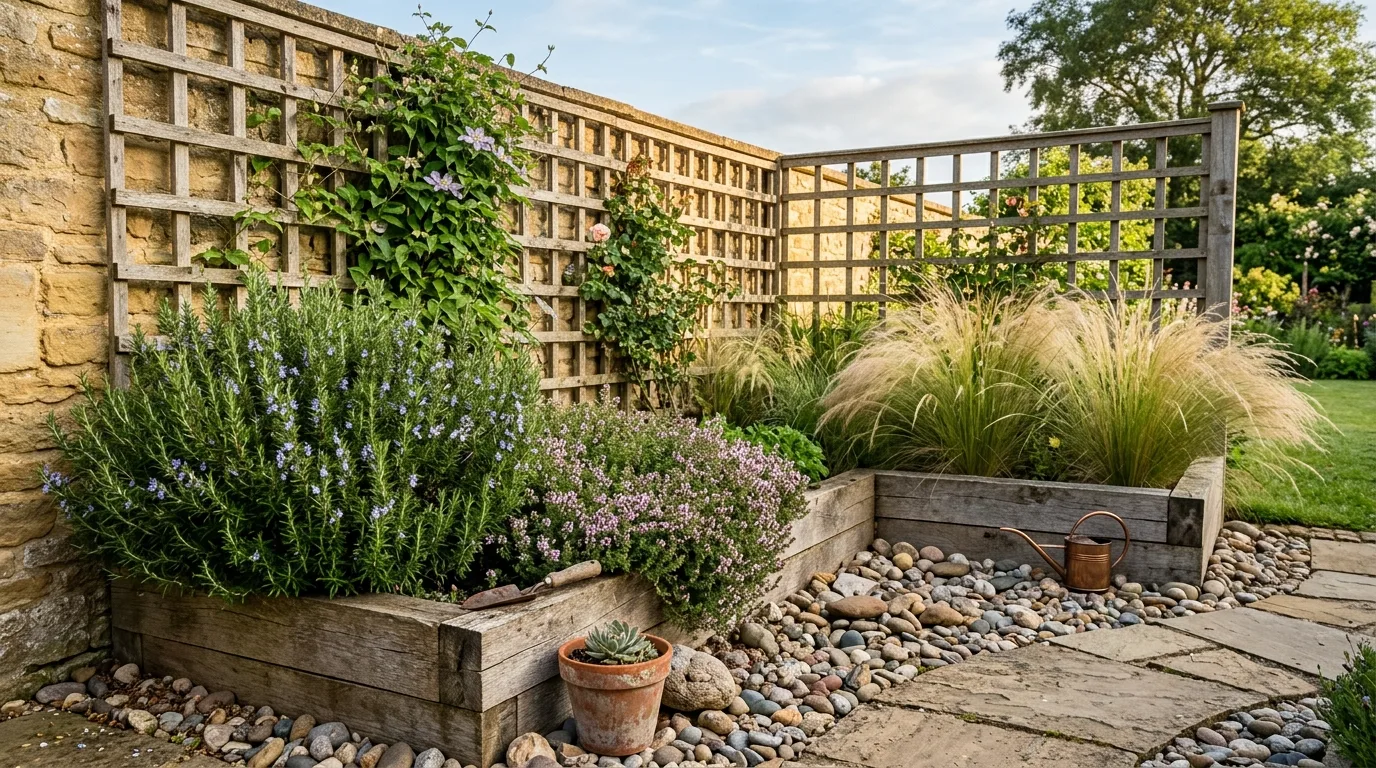
Simplified Plant Palette With Better Results
Using fewer reliable plants often creates a stronger and easier-to-manage deer-resistant landscape.
Simple can work better.
Best for: low-maintenance yards
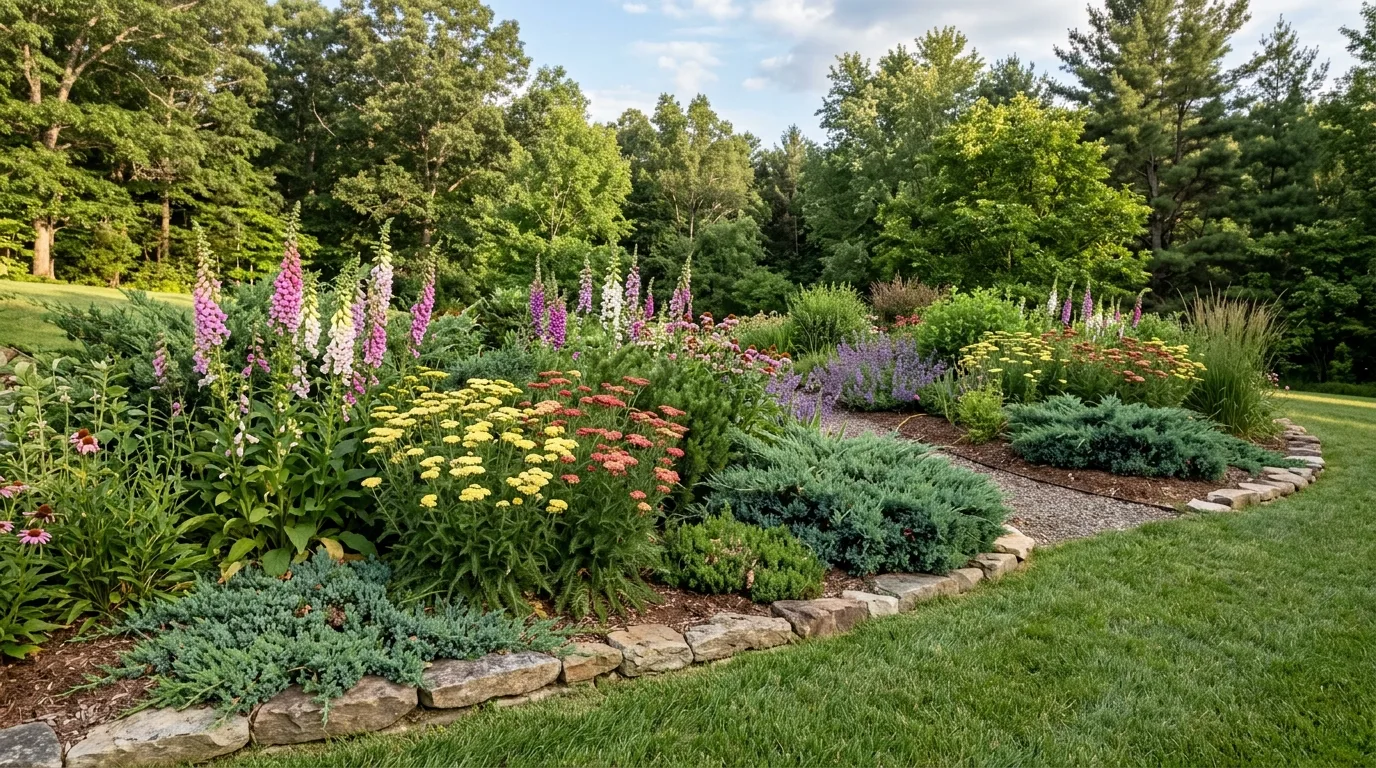
Border Planning That Reduces Easy Browsing
Thoughtful border placement can make it harder for deer to move casually through the most important planting zones.
A design-based benefit.
Best for: open properties
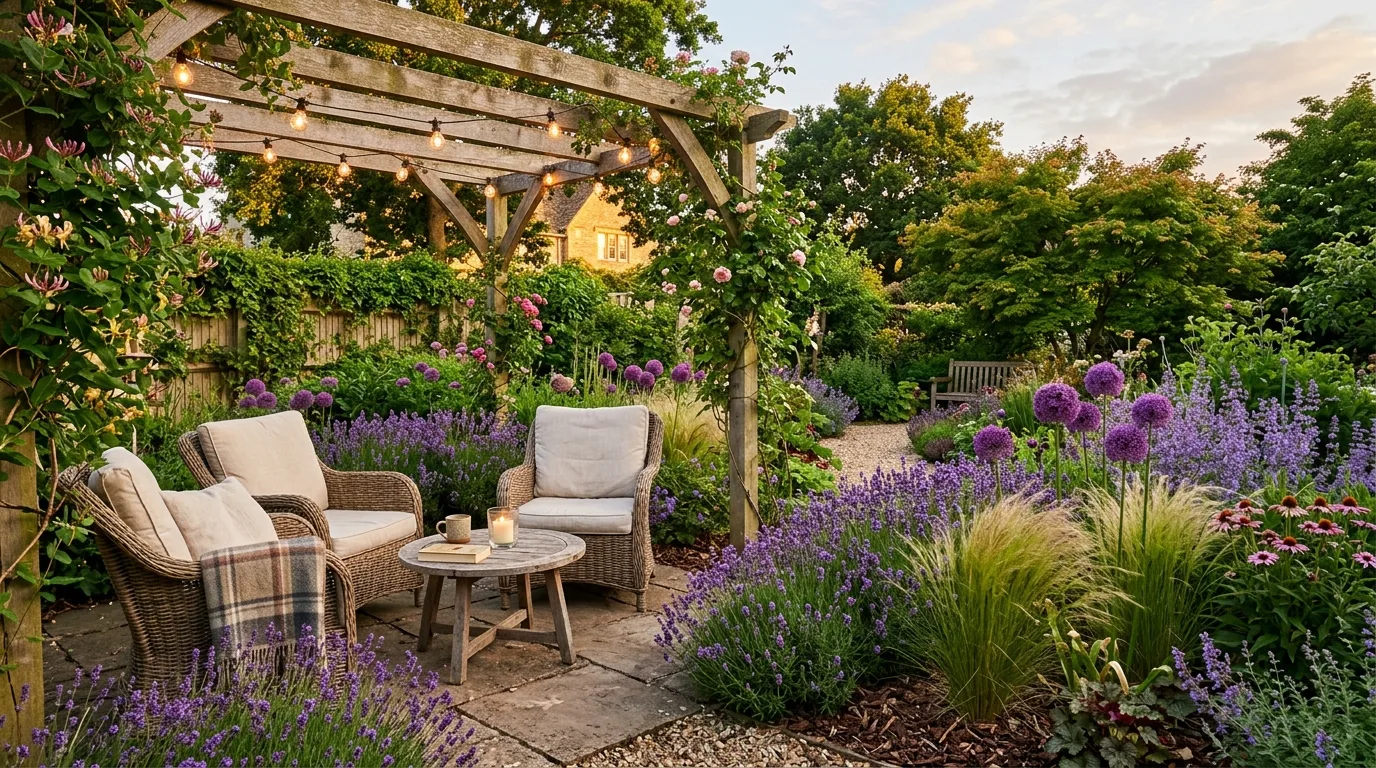
Complete Deer-Resistant Yard Layout
The best deer-resistant landscapes combine tougher plants, clear structure, and a layout that reduces repeated damage.
The fullest example here.
Best for: whole-yard planning
What makes deer-resistant landscaping work better
Deer-resistant landscaping works better when the whole layout supports the plant choices. Tougher plants, cleaner structure, and smarter spacing usually create the best long-term result.